
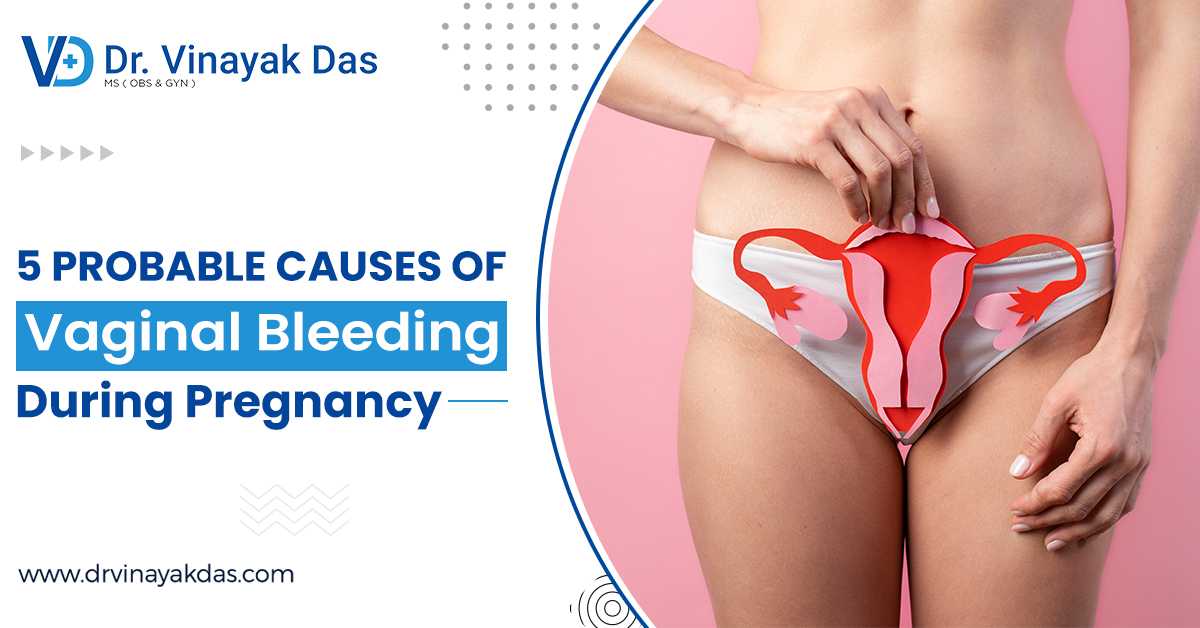
Experiencing vaginal bleeding during pregnancy can be alarming for any expectant mother. While light spotting may sometimes occur due to normal pregnancy-related changes, bleeding can also indicate an underlying condition that requires prompt medical attention. The cause can vary depending on the stage of pregnancy and the amount of bleeding experienced.
Although not every case of bleeding signals a serious problem, it is important to consult a healthcare professional to determine the cause and ensure the well-being of both mother and baby. If you experience unusual bleeding during pregnancy, seeking guidance from an experienced gynecologist in siliguri can help you receive timely evaluation and appropriate care.
1. Implantation Bleeding
Implantation bleeding is one of the earliest causes of light spotting during pregnancy. It occurs when the fertilized egg attaches itself to the lining of the uterus, usually within the first few weeks after conception.
This type of bleeding is generally light, short-lived, and may appear pink, red, or brown in color. Some women may also experience mild cramping along with the spotting. Implantation bleeding is typically harmless and resolves on its own without treatment.
2. Miscarriage
Bleeding during the first trimester can sometimes be associated with a miscarriage. However, it is important to remember that not every episode of bleeding leads to pregnancy loss.
Symptoms that may accompany a miscarriage include:
- Vaginal bleeding or spotting
- Lower abdominal or pelvic cramps
- Back pain
- Passage of tissue or blood clots
- Sudden reduction in pregnancy symptoms
If these symptoms occur, immediate medical evaluation is recommended to determine the cause and receive appropriate care.
3. Placenta Previa
Placenta previa is a condition in which the placenta lies unusually low in the uterus and partially or completely covers the cervix. This can cause painless vaginal bleeding, especially during the second or third trimester.
Women with placenta previa require close medical monitoring because the condition can increase the risk of complications during pregnancy and delivery. Early diagnosis through ultrasound examinations helps doctors plan the safest approach for both mother and baby.
4. Vaginal Infections
Certain vaginal infections can also lead to light bleeding or spotting during pregnancy. Hormonal changes may increase the risk of developing infections such as yeast infections or bacterial infections.
Common symptoms may include:
- Vaginal itching or irritation
- Burning sensation
- Unusual discharge
- Discomfort during urination
- Mild bleeding or spotting
Most vaginal infections can be effectively treated when diagnosed early, helping to prevent further complications during pregnancy.
5. Placental Abruption
Placental abruption is a serious pregnancy complication that occurs when the placenta separates partially or completely from the wall of the uterus before delivery.
This condition may cause:
- Vaginal bleeding
- Severe abdominal pain
- Back pain
- Uterine tenderness
- Frequent contractions
Placental abruption requires immediate medical attention, as it can affect the oxygen and nutrient supply to the baby.
6. Cervical Changes During Pregnancy

During pregnancy, increased blood flow to the cervix can make cervical tissues more sensitive. As a result, some women may notice light spotting after sexual intercourse, a pelvic examination, or minor irritation of the cervix.
Although this type of bleeding is often harmless, it should still be discussed with your gynae doctor in siliguri to rule out other causes.
"One of the most common concerns I hear from pregnant women is whether any amount of bleeding means something is wrong with the pregnancy. While light spotting can sometimes occur due to normal changes in the cervix or early pregnancy developments, it should never be ignored. Every pregnancy is unique, and the cause of bleeding can only be determined through proper medical evaluation. Early consultation allows us to identify potential complications, provide timely treatment when necessary, and offer reassurance when the bleeding is not related to a serious condition."
— Dr. Vinayak Das, Gynecologist & Fetal Medicine Expert
Also Read:-
Baby Not Moving During Pregnancy
Can Previous Miscarriages Increase the Risk of High-Risk Pregnancy?
When Should You Contact a Doctor?
While some causes of bleeding during pregnancy are relatively harmless, certain symptoms require urgent medical attention.
Seek immediate medical care if bleeding is accompanied by:
- Heavy bleeding
- Severe abdominal pain
- Fever
- Dizziness or fainting
- Passage of blood clots or tissue
- Reduced fetal movement
- Strong uterine contractions
- Leakage of fluid from the vagina
Prompt evaluation can help identify potential complications and protect the health of both mother and baby. Dr. Vinayak Das, an experienced Gynecologist and Fetal Medicine Expert in Siliguri, provides comprehensive pregnancy care, high-risk pregnancy management, fetal monitoring, and personalized treatment plans to support a safe and healthy pregnancy.
Conclusion
Vaginal bleeding during pregnancy can occur for several reasons, ranging from normal pregnancy-related changes to serious medical conditions. Understanding the possible causes can help expectant mothers recognize when medical attention is necessary.
Even if the bleeding appears mild, it is always advisable to consult a healthcare professional for proper evaluation. Early diagnosis and timely treatment can significantly improve pregnancy outcomes and provide peace of mind throughout your pregnancy journey. Book your appointment today for expert guidance and compassionate pregnancy care.

