
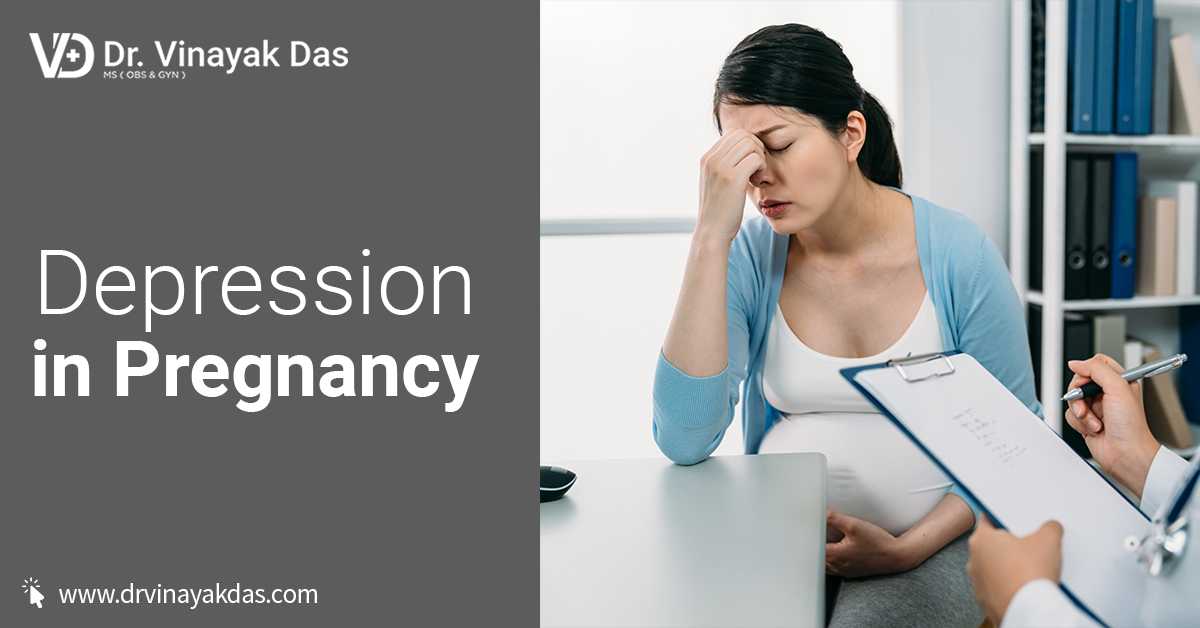
Pregnancy is one of the high points in any individual's life. During this time parental depression is also very common. It can be a difficult task to feel low and sad when everyone around you is all happy and rosy. However, pregnancy depression is a topic that needs to be talked about and people need to know about it. About 13 percent of women meet the medical criteria for depression during pregnancy and about 37 percent say they experience symptoms of depression.
Gynaecologists in Siliguri provide help to their patients so that pregnancy depression does not lead to severe consequences. There are treatments available and there is no shame in asking for help.
Why does pregnancy depression occur?
When it comes to depression during pregnancy, women are twice more susceptible to it. It is during this time that parts of the brain that control sleep, mood, thinking, and other needs stop functioning appropriately possibly due to the chemical imbalances in the body. Surgical hormones when coupled with stress, anxiety, and the social pressure to react in a particular manner can affect any woman’s emotional state.
Who is prone to pregnancy depression?
According to gynaecologists in Siliguri, there are several risk factors if expected women are left with the feeling of sadness and hopelessness. You need to seek treatment if you feel this way because which is completely normal. You could be more prone to this if:
- You have a family history or already struggle with mental health issues like anxiety, depression, or others.
- You are having to deal with some major stressful or emotional incident which is taking a toll on your mental health as well.
- Unplanned pregnancy is one of the main reasons for pregnancy depression
- You are a victim of domestic violence, physical or sexual abuse
- You have diabetes or a thyroid condition. The hormones regulate in a way which leads to symptoms of depression.
Causes of pregnancy depression
There is no particular reason for depression during pregnancy as stated by gynaecologists in Siliguri. However, hormones play a significant role in it.
Hormones directly affect the brain chemistry that is responsible for controlling emotions and mood. The same hormonal fluctuations that cause mood swings and other emotions during the menstrual cycle also cause pregnancy depression. Women who suffer from severe PMS are more susceptible to this.
Genetics can also play a role in this as depression can be a trait in the family history. Depression during pregnancy is an amalgamation of a number of factors that combine can cause problems.
Symptoms of Pregnancy Depression
Some symptoms may overlap with normal pregnancy changes, but persistent symptoms should not be ignored.
Common Symptoms:
- Sleep disturbances
- Changes in appetite
- Anxiety
- Mood swings
- Loss of interest or concentration
Severe Symptoms (Seek Help Immediately):
- Persistent sadness or hopelessness
- Frequent crying
- Social withdrawal
- Extreme fatigue
- Feelings of guilt
- Thoughts of self-harm or suicide
If you experience these symptoms regularly, it is important to consult a healthcare professional immediately.
Treatment & Support
Pregnancy depression is treatable, and early intervention can make a significant difference. Treatment options may include:
- Counseling or therapy
- Emotional support from family
- Lifestyle changes
- Medical guidance (if needed)
There is absolutely no shame in asking for help. Seeking support is a sign of strength, not weakness.
Conclusion
Pregnancy depression is a real and serious condition that deserves attention and care. While pregnancy is often portrayed as a joyful journey, it is completely normal to experience emotional ups and downs.
The key is to recognize the signs early and seek the right support. With proper guidance from experienced gynaecologists in Siliguri such as Dr Vinayak Das emotional support, and timely treatment, pregnancy depression can be managed effectively.
Remember, taking care of your mental health is just as important as taking care of your physical health for both you and your baby.