

Adenomyosis is a common gynecological condition that can affect a woman's quality of life and reproductive health. It develops when the tissue that normally lines the inside of the uterus grows into the muscular wall of the uterus. This can lead to heavy menstrual bleeding, severe pelvic pain, and painful periods. For women planning a pregnancy, one of the most common concerns is whether adenomyosis can affect fertility.
The answer is yes, adenomyosis may reduce fertility in some women, but it does not always lead to infertility. Many women with mild adenomyosis conceive naturally, while others may require medical treatment or assisted reproductive techniques such as in vitro fertilization (IVF). The impact depends on factors such as the severity of the condition, age, and overall reproductive health.
Early diagnosis and timely treatment can improve pregnancy outcomes and help manage symptoms effectively. If you experience persistent pelvic pain, unusually heavy periods, or difficulty conceiving, consulting a top gynecologist in Siliguri can help identify the underlying cause and create a personalized treatment plan.
What is Adenomyosis?
Adenomyosis is a condition in which the endometrial tissue—the tissue that normally lines the inside of the uterus grows into the muscular wall of the uterus, known as the myometrium. Although this tissue remains within the uterus, it continues to respond to hormonal changes during each menstrual cycle.
As a result, the tissue thickens, breaks down, and bleeds every month. Because the blood becomes trapped inside the uterine muscle, it can cause inflammation, swelling, and enlargement of the uterus. Over time, this may lead to painful menstrual cramps, heavy bleeding, and chronic pelvic discomfort.
The exact cause of adenomyosis is still being studied. However, hormonal changes, previous uterine surgeries, childbirth, and increasing age are believed to increase the risk. The condition is most commonly diagnosed in women between the ages of 35 and 50, although it can also occur in younger women.
What Are the Signs and Symptoms of Adenomyosis?
Some women with adenomyosis have no symptoms at all. Others may experience symptoms that gradually worsen over time. The severity of symptoms varies from person to person.
Heavy or Prolonged Menstrual Bleeding
One of the most common symptoms of adenomyosis is unusually heavy menstrual bleeding. Periods may last longer than seven days, and some women may need to change sanitary pads or tampons more frequently than usual. Passing large blood clots during menstruation is also common.
Severe Menstrual Cramps
Painful menstrual cramps are another hallmark symptom. Unlike normal period pain, the cramps caused by adenomyosis may become more intense with age and may not improve with over-the-counter pain medication.
Chronic Pelvic Pain

Some women experience a constant dull ache or pressure in the lower abdomen, even when they are not menstruating. This discomfort can interfere with daily activities and affect overall quality of life.
Pain During Sexual Intercourse
An enlarged and inflamed uterus may cause pain during or after sexual intercourse. Women experiencing this symptom should seek medical evaluation, especially if the pain is persistent.
Enlarged or Tender Uterus
During a pelvic examination, your gynecologist may notice that the uterus feels enlarged, soft, or tender. In many cases, imaging tests such as ultrasound or MRI are recommended to confirm the diagnosis.
Irregular Bleeding
Some women experience spotting or bleeding between menstrual periods. Although irregular bleeding can occur for many reasons, persistent symptoms should always be evaluated by a healthcare professional.
Can Adenomyosis Cause Infertility?
Yes, adenomyosis can make it more difficult to become pregnant, but it does not necessarily mean that a woman will be infertile. Many women with adenomyosis have successful pregnancies, particularly when the condition is diagnosed early and managed appropriately.
Researchers believe that adenomyosis affects fertility by altering the normal structure and function of the uterus. The condition may cause chronic inflammation, abnormal uterine contractions, and changes in the uterine lining. These changes can reduce the chances of successful embryo implantation and may also increase the risk of miscarriage in some women.
Studies have also shown that adenomyosis may reduce the success rates of fertility treatments such as IVF. However, modern fertility management, including hormone therapy before embryo transfer and individualized treatment plans, has helped improve pregnancy outcomes for many women.
The good news is that advances in reproductive medicine have made pregnancy possible for many women living with adenomyosis. Early diagnosis, appropriate medical care, and regular follow-up with an experienced gynecologist can significantly improve fertility outcomes.
How Does Adenomyosis Affect Fertility?
A healthy uterus provides the right environment for sperm to reach the egg and for a fertilized embryo to implant successfully. Adenomyosis can interfere with this process by changing the structure and function of the uterus. While not every woman with adenomyosis experiences infertility, the condition may reduce the chances of natural conception and increase the risk of pregnancy complications.
Here are some of the ways adenomyosis may affect fertility:
1. Changes in the Uterine Lining
For a pregnancy to begin, the embryo must attach to the lining of the uterus. Adenomyosis can alter this lining, making implantation more difficult. Chronic inflammation may also reduce the ability of the uterus to support early pregnancy.
2. Chronic Inflammation
The misplaced endometrial tissue causes ongoing inflammation within the uterus. This inflammatory environment may affect the movement of sperm, egg quality, and embryo development. It can also make the uterus less receptive to implantation.
3. Abnormal Uterine Contractions
The muscles of the uterus normally contract in a coordinated way to help sperm travel toward the fallopian tubes. Adenomyosis may cause irregular or excessive uterine contractions, which can interfere with sperm transport and reduce the chances of fertilization.
4. Changes in the Shape of the Uterus
As adenomyosis progresses, the uterus may become enlarged or thickened. These structural changes can affect the normal uterine cavity and create a less favorable environment for embryo implantation and growth.
5. Reduced Blood Flow
Research suggests that adenomyosis may affect blood flow to the uterine lining. Adequate blood supply is essential for embryo implantation and early pregnancy. Reduced circulation may lower the chances of a successful pregnancy in some women.
Although adenomyosis can affect fertility, many women conceive naturally or with fertility treatments. The outcome depends on factors such as age, the severity of the disease, and any associated conditions like endometriosis or uterine fibroids.
How is Adenomyosis Diagnosed?
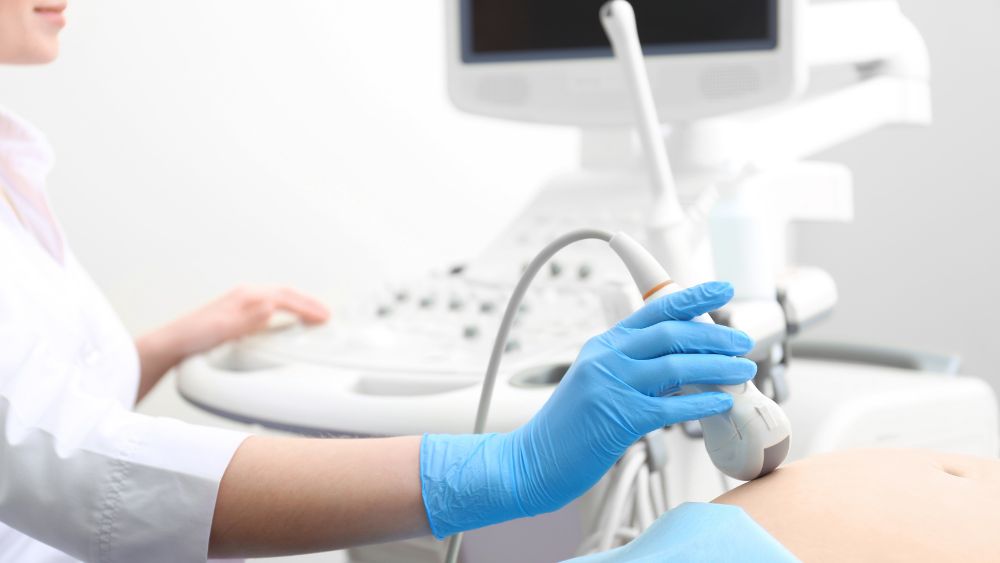
Early diagnosis is important for managing symptoms and protecting fertility. Your gynecologist will begin by reviewing your medical history and discussing your symptoms.
Diagnosis may include:
- Pelvic examination to check for an enlarged or tender uterus.
- Transvaginal ultrasound, which is often the first imaging test used to identify features of adenomyosis.
- MRI (Magnetic Resonance Imaging) if additional detail is needed to confirm the diagnosis or rule out other uterine conditions.
Because the symptoms of adenomyosis are similar to those of fibroids and endometriosis, an accurate diagnosis is essential before starting treatment.
Treatment Options for Adenomyosis
Treatment depends on your age, symptoms, fertility goals, and the severity of the condition.
Common treatment options include:
Medications
Hormonal medications, including certain birth control methods or hormone-releasing intrauterine devices (IUDs), may help reduce heavy bleeding and pelvic pain. Pain-relieving medicines may also be recommended to manage menstrual cramps.
Fertility Treatment
Women planning pregnancy may benefit from fertility-focused treatment. Depending on individual circumstances, ovulation induction, intrauterine insemination (IUI), or IVF may be recommended. In selected patients, hormone therapy before IVF may improve implantation rates.
Surgery
When symptoms are severe and do not respond to medication, surgery may be considered. The choice of procedure depends on whether the woman wishes to preserve fertility. Your gynecologist will discuss the most appropriate treatment based on your individual needs.
When Should You See a Gynecologist?
Do not ignore persistent menstrual problems or pelvic pain. You should consult a gynecologist if you experience:
- Heavy menstrual bleeding that affects your daily life.
- Severe menstrual cramps that worsen over time.
- Chronic pelvic pain or pain during intercourse.
- Spotting or bleeding between periods.
- Difficulty conceiving after trying for 12 months, or after 6 months if you are over 35 years of age.
Early evaluation can help identify adenomyosis and other reproductive conditions before they affect your long-term health or fertility.
Also Read:-
Adenomyosis vs Endometriosis: Differences, Symptoms & Treatment
A Comprehensive Description About The Adenomyosis Stages
Frequently Asked Questions (FAQs)
1. Can adenomyosis cause infertility?
Yes. Adenomyosis may reduce fertility by affecting the uterine lining, causing inflammation, and interfering with embryo implantation. However, many women with adenomyosis can still become pregnant naturally or with fertility treatment.
2. Can I get pregnant naturally if I have adenomyosis?
Yes. Many women with mild adenomyosis conceive naturally. Your age, the severity of the condition, and overall reproductive health all influence your chances of pregnancy.
3. How is adenomyosis diagnosed?
Doctors usually diagnose adenomyosis through a pelvic examination, transvaginal ultrasound, and, in some cases, an MRI scan for a more detailed evaluation.
4. What is the best treatment for adenomyosis?
Treatment depends on your symptoms and fertility goals. Options include pain relief medications, hormone therapy, fertility treatments such as IVF, and surgery in selected cases.
Conclusion
Adenomyosis may reduce fertility by changing the uterine lining, causing chronic inflammation, and affecting normal uterine function. However, it does not mean that pregnancy is impossible. Many women with adenomyosis conceive naturally, while others achieve successful pregnancies with appropriate medical care or fertility treatment.
If you have symptoms such as heavy periods, severe pelvic pain, or difficulty conceiving, seek timely medical advice. Early diagnosis and personalized treatment can improve symptom control and increase the chances of a healthy pregnancy.
If you are looking for a top gynecologist in Siliguri, Dr. Vinayak Das offers comprehensive evaluation and personalized treatment for adenomyosis, infertility, and other women's health conditions to help you achieve the best possible reproductive outcomes.