
Painful periods are common, but severe pain, heavy bleeding, or pelvic discomfort should never be ignored. Two conditions that often confuse women are adenomyosis and endometriosis. Both are related to tissue that behaves like the inner lining of the uterus, but they affect the body in different ways.
In simple words, adenomyosis starts within the uterus, while endometriosis usually develops outside the uterus. Because of this difference, their symptoms, diagnosis, and treatment approach may also vary.
If you are dealing with severe period pain, heavy bleeding, pelvic pain, or fertility concerns, consulting a top gynecologist in Siliguri can help you understand the real cause and get the right treatment at the right time.
Quick Difference Between Adenomyosis and Endometriosis
The biggest difference between adenomyosis and endometriosis is where the abnormal tissue is found.
| Feature | Adenomyosis | Endometriosis |
|---|---|---|
| Main Location | Inside the muscle layer of the uterus | Outside the uterus, such as the ovaries, tubes, pelvic lining, bowel, or bladder |
| Uterus Size | May become bulky, enlarged, or tender | Usually remains normal in size |
| Common Pain Type | Deep cramps and pressure during periods | Pelvic pain that may occur during periods, sex, urination, or bowel movements |
| Bleeding Pattern | Heavy, long, or clot-filled periods | Painful periods, spotting, or irregular bleeding in some cases |
| Fertility Link | May affect implantation in some women | More commonly linked with fertility problems |
| Diagnosis | Pelvic exam, ultrasound, MRI | Symptom review, imaging, and sometimes laparoscopy |
| Treatment | Medicines, hormonal therapy, IUD, or surgery in selected cases | Medicines, hormonal therapy, laparoscopy, or fertility treatment |
Adenomyosis is more strongly linked with heavy menstrual bleeding, while endometriosis is more often linked with chronic pelvic pain and infertility.
What Is Adenomyosis?
In adenomyosis, the problem begins inside the uterus itself. Lining-like tissue enters the muscle layer of the uterus and makes the uterus heavier, swollen, and more sensitive during periods. This can lead to strong cramps, pelvic pressure, and heavy menstrual flow.
Adenomyosis is often diagnosed in women in their 30s to 50s, especially after childbirth, but younger women may also develop it. Since the condition is hormone-sensitive, symptoms may reduce after menopause in many cases.
Common Symptoms of Adenomyosis
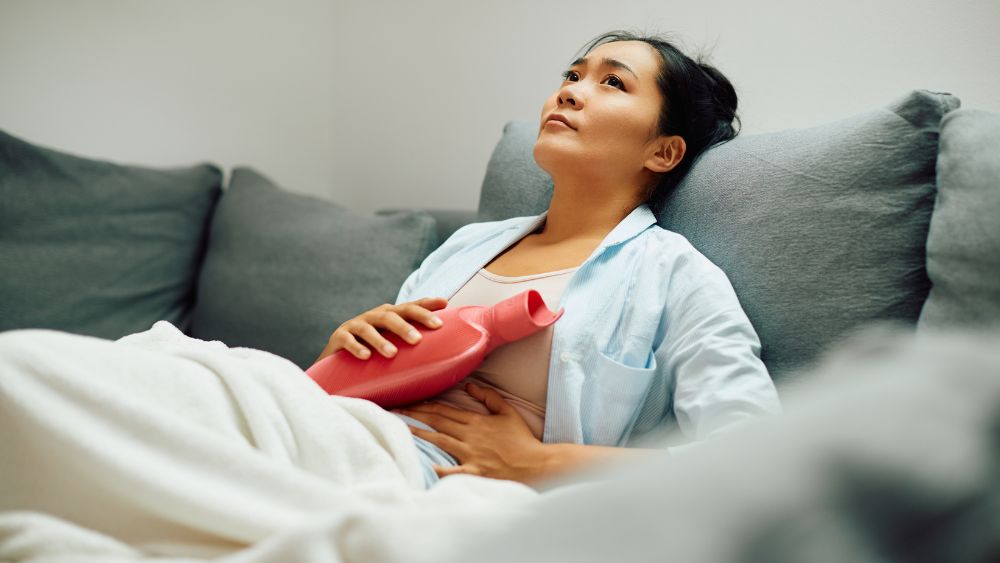
Adenomyosis may cause:
- Heavy menstrual bleeding
- Periods lasting longer than usual
- Severe cramps during periods
- Pelvic heaviness or pressure
- Pain during intercourse
- Enlarged or bulky uterus
- Passing clots during periods
- Tiredness due to heavy blood loss or anemia
Some women have mild symptoms, while others may struggle with pain and bleeding that affect work, sleep, and daily life.
What Is Endometriosis?
Endometriosis develops when lining-like tissue is found in places where it should not be, such as the ovaries, fallopian tubes, pelvic lining, bowel, or bladder. These tissue patches may react to monthly hormonal changes, causing irritation, swelling, scar tissue, and pain.
Endometriosis is often seen in women between 20 and 40 years of age, but symptoms can begin much earlier. Some women suffer for years before getting a proper diagnosis because the pain is often mistaken as “normal period pain.”
Common Symptoms of Endometriosis
Endometriosis may cause:
- Severe period pain
- Long-term pelvic pain
- Pain during or after intercourse
- Pain while passing urine or stool during periods
- Lower back or abdominal pain
- Bloating, nausea, constipation, or diarrhea around periods
- Spotting or irregular bleeding
- Difficulty getting pregnant
For some women, fertility problems become the first reason they visit a gynecologist. For others, pain is the main concern.
Causes and Risk Factors
The exact reason behind adenomyosis and endometriosis is still not fully clear. However, both conditions are influenced by hormones, especially estrogen.
Possible Factors Behind Adenomyosis
Adenomyosis may be associated with:
- Previous uterine surgery, such as C-section or fibroid surgery
- Changes in the uterus after childbirth
- Inflammation in the uterine lining
- Movement of lining-like cells into the uterine muscle
- Hormonal and cellular changes inside the uterus
Possible Factors Behind Endometriosis
Endometriosis may be associated with:
- Backward flow of menstrual fluid into the pelvic area
- Immune system changes
- Family history of endometriosis
- Hormonal influence
- Transformation of cells outside the uterus into lining-like tissue
Having a family history may increase the risk, but symptoms and severity can vary from person to person.
How Are Adenomyosis and Endometriosis Diagnosed?
Diagnosis begins with a detailed discussion about your periods, pain pattern, bleeding, fertility plans, and overall health. A pelvic examination may also be done if needed.
Diagnosis of Adenomyosis
A gynecologist may suggest:
- Pelvic examination: To check if the uterus feels enlarged, tender, or bulky.
- Transvaginal ultrasound: Often used as the first scan to look for changes in the uterus.
- Pelvic MRI: May be advised when a clearer view of the uterine muscle is needed.
Diagnosis of Endometriosis
Endometriosis can be harder to detect because small patches may not always appear on regular scans. Diagnosis may include:
- Symptom evaluation: Painful periods, painful sex, bowel pain, bladder pain, or infertility may suggest endometriosis.
- Ultrasound or MRI: These may help identify ovarian cysts or deeper disease.
- Laparoscopy: A keyhole surgery that allows the doctor to look inside the pelvis. If needed, a small tissue sample may be taken for confirmation.
Doctors may also start treatment based on symptoms and imaging before suggesting surgery, depending on the patient’s condition.
Treatment Options for Adenomyosis and Endometriosis
Treatment is not the same for every woman. It depends on age, symptoms, disease severity, fertility goals, and overall health. Doctors usually begin with simpler options unless the condition is severe.
Non-Surgical Treatment
Non-surgical care may include:
- Pain-relief medicines
- Hormonal pills
- Progesterone-based medicines
- Hormonal IUD in selected cases
- Medicines to reduce heavy bleeding
- Heat therapy and lifestyle support during painful periods
Hormonal treatments may not be suitable for women who are actively trying to conceive because some of them prevent ovulation.
Fertility-Focused Treatment
If pregnancy is the goal, the treatment plan must be chosen carefully. In endometriosis, laparoscopic surgery may be advised in selected cases to remove cysts, adhesions, or painful lesions. If the ovaries, tubes, or uterus are affected, fertility treatment such as IVF may be considered.
Adenomyosis may also affect implantation or pregnancy outcomes in some women, so a personalized plan is important.
Surgical Treatment
Surgery may be considered when symptoms are severe, medicines are not helping, or fertility-related correction is needed.
For endometriosis, laparoscopic removal of lesions may help reduce pain and improve fertility chances in selected patients.
For adenomyosis, conservative surgery may be possible in some cases. Hysterectomy may be considered only when symptoms are severe, other treatments have failed, and the woman does not wish to plan pregnancy in the future.
In selected cases, procedures like uterine artery embolisation may also be discussed after specialist evaluation.
Can Adenomyosis and Endometriosis Occur Together?
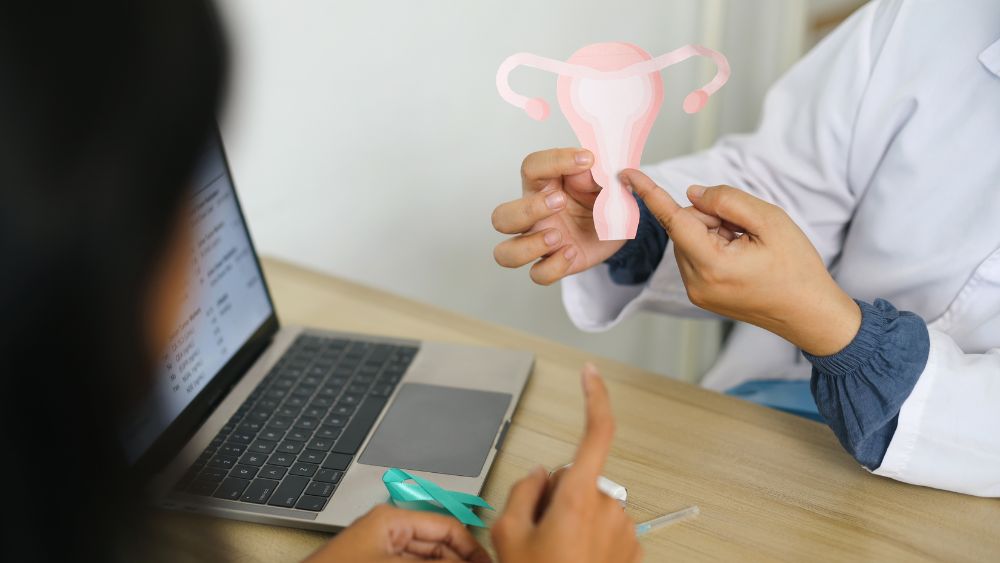
Yes, both conditions can occur in the same woman. When this happens, symptoms may overlap. A woman may have heavy bleeding due to adenomyosis and pelvic pain, painful intercourse, or bowel discomfort due to endometriosis.
This is why proper diagnosis is important. Treating only one condition may not give complete relief if both are present.
Also Read:-
A Comprehensive Description About The Adenomyosis Stages
A Comprehensive Guide About Endometrial Biopsy
Best Ways to Take Care of Your Uterus and Boost Fertility
When Should You See a Gynecologist?
You should consult a gynecologist if period symptoms are affecting your normal routine, work, sleep, or fertility plans.
Seek medical advice if you have:
- Severe period pain
- Heavy bleeding or frequent pad changes
- Periods lasting more than 7 days
- Large clots during periods
- Dizziness, weakness, or fatigue
- Pain during intercourse
- Pain during urination or bowel movements during periods
- Difficulty getting pregnant
Seek urgent care if you have sudden, severe pelvic pain, fainting, fever, vomiting, or extremely heavy bleeding.
Consult Dr. Vinayak Das, Top Gynecologist in Siliguri
Painful periods, heavy bleeding, pelvic discomfort, and fertility problems should not be ignored. These symptoms may be due to adenomyosis, endometriosis, fibroids, ovarian cysts, or other gynecological conditions.
Dr. Vinayak Das is a leading gynecologist in Siliguri with over 16 years of experience in women’s health, fertility care, high-risk pregnancy management, fetal medicine, and laparoscopic gynecological surgery. He focuses on personalized care based on each patient’s symptoms, age, fertility goals, and medical needs.
If you are looking for the best gynecologist in Siliguri for menstrual problems, pelvic pain, fertility concerns, or pregnancy care, you can consult Dr. Vinayak Das. He is also known as a trusted high-risk pregnancy specialist in Siliguri.
FAQs
1. What is the main difference between adenomyosis and endometriosis?
Adenomyosis affects the muscle wall of the uterus, while endometriosis develops outside the uterus, commonly around the ovaries, tubes, pelvic lining, bowel, or bladder.
2. Which condition causes heavy bleeding?
Heavy bleeding is more commonly seen in adenomyosis, though some women with endometriosis may also have heavy or irregular periods.
3. Which condition affects fertility more?
Endometriosis is more commonly linked with fertility problems. Adenomyosis may also affect implantation or pregnancy outcomes in some women.
4. Can both conditions happen together?
Yes, adenomyosis and endometriosis can occur together, which may make symptoms more complex.
5. Is surgery always needed?
No. Many women improve with medicines, hormonal treatment, or other non-surgical options. Surgery is considered only when symptoms are severe or other treatments are not effective.
Conclusion
Adenomyosis and endometriosis may look similar because both are linked with lining-like tissue, but they are different conditions. Adenomyosis affects the uterus muscle and often causes heavy bleeding and deep cramps. Endometriosis develops outside the uterus and may cause pelvic pain, painful sex, bowel or bladder pain, and fertility issues.
Early diagnosis can help reduce discomfort and prevent symptoms from getting worse. If you are facing painful periods, heavy bleeding, pelvic pain, or difficulty conceiving, consult Dr. Vinayak Das, a top gynecologist in Siliguri, for proper evaluation and personalized treatment.
Medical Disclaimer: This blog is for educational purposes only and should not replace medical consultation. Always consult a qualified gynecologist for diagnosis and treatment.

