


Periods are a normal part of every woman’s life, but sometimes they can feel overwhelming rather than just inconvenient. Heavy menstrual bleeding is one issue that affects many women, making everyday activities tiring and stressful. While occasional heavier flows are normal, consistently heavy periods should not be ignored.
Doctors define heavy menstrual bleeding, or menorrhagia, as losing a large amount of blood, more than 80 ml per cycle, or having periods that last longer than seven days. You might notice soaking through pads or tampons very quickly, passing large clots, or feeling unusually tired and weak.
For women in Siliguri, heavy menstrual bleeding in Siliguri can feel worrying, but the good news is it’s treatable. Knowing the signs early and seeking proper care can prevent complications and help you feel healthier and more confident.
When Is Heavy Menstrual Bleeding a Warning Sign?

Not all heavy periods are a cause for concern. Sometimes, heavier flow occurs due to natural hormonal changes. However, certain signs indicate that it’s time to consult a doctor:
- Bleeding lasting longer than seven days consistently.
- Soaking through multiple pads or tampons in a single day.
- Passing blood clots larger than a quarter.
- Feeling fatigued, dizzy, or weak, which may indicate anemia.
- Periods interfere with daily life, work, or social activities.
Heavy menstrual bleeding is often underestimated because many women think it’s normal to have a heavy flow. But persistent heavy periods can signal hormonal imbalance, uterine fibroids, polyps, or other health issues. Early consultation helps in identifying the cause and choosing the right treatment.
Don't wait if you observe any of these warning indicators. Consult a gynecologist today to understand the cause and get the right care.
Book an appointment for proper evaluation
Causes of Heavy Menstrual Bleeding
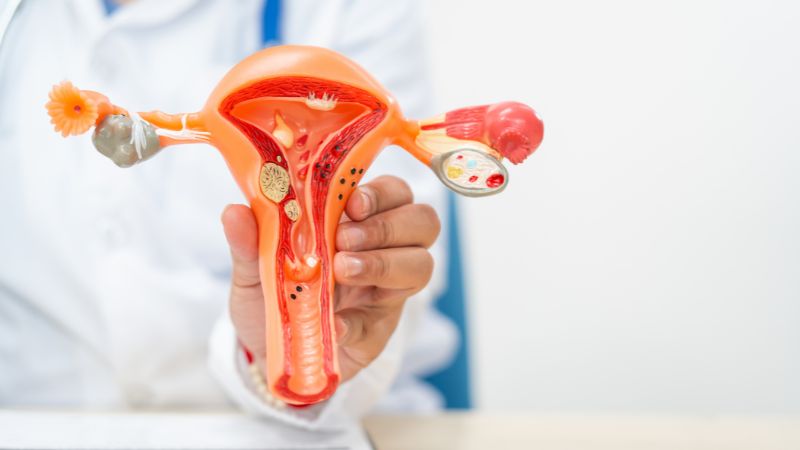
There can be many reasons for heavy menstrual bleeding. Understanding the cause helps in choosing the right treatment.
1) Hormonal Imbalance
Hormones like estrogen and progesterone regulate the menstrual cycle. If these hormones are out of balance, the uterine lining may build up excessively, leading to heavy periods. Hormonal imbalance can also cause irregular cycles, mood swings, and fatigue.
2) Uterine Fibroids
Noncancerous growths in the uterus, called fibroids, can result in heavy, protracted bleeding. Women in their 30s and 40s are more likely to develop fibroids, which may also lead to pelvic pain or pressure.
3) Polyps
Uterine polyps are small growths attached to the uterine lining. They can increase menstrual flow and may cause spotting between periods.
4) Adenomyosis
This condition occurs when the lining of the uterus grows into the muscular wall, resulting in heavy and often painful periods.
5) Blood Disorders
Certain conditions affect the blood’s ability to clot properly. Women with such disorders may experience heavier menstrual bleeding.
6) Medications
Some medications, like blood thinners or hormonal treatments, may contribute to excessive menstrual bleeding.
7) Other Health Conditions
Thyroid problems, liver disease, or infections can also affect the menstrual cycle and cause heavy bleeding.
If you notice heavy menstrual bleeding in Siliguri, consulting a local gynecologist can help determine the exact cause and recommend the most effective treatment.
Treatment Options for Heavy Menstrual Bleeding
The cause, severity, and general health determine the course of treatment. Here are the common options:
1) Medications

Hormonal therapy: Birth control pills or progesterone treatments can regulate periods and reduce bleeding.
Nonsteroidal anti-inflammatory drugs (NSAIDs): Help reduce blood loss and relieve cramps.
Iron supplements: Recommended if anemia develops due to heavy bleeding.
2) Minimally Invasive Procedures
Endometrial ablation: A procedure to remove the lining of the uterus, reducing or stopping heavy bleeding.
Hysteroscopic polyp removal: Removes polyps causing excessive flow.
3) Surgery
For severe cases where other treatments fail, surgical options like myomectomy or hysterectomy may be considered. These are usually a last resort.
4) Lifestyle and Home Care
To avoid anemia, keep up a healthy, iron-rich diet.
Exercise regularly to support hormonal balance.
Track your cycles to identify patterns and triggers for heavy bleeding.
Treatment should always be personalized. Each woman’s body is different, so an early evaluation allows for the best results and prevents long-term complications.
Hormonal Imbalance and Heavy Periods
Hormonal imbalance is one of the most common reasons behind heavy menstrual bleeding. When hormones like estrogen and progesterone are not in balance, the lining of the uterus can become thicker than normal. This often leads to periods that are heavier, longer, and more difficult to manage. Hormonal changes can also affect how you feel both physically and emotionally.
Some common signs of hormonal imbalance include:
- Periods that are longer and heavier than usual
- Mood changes, irritability, or feeling emotionally low
- Constant tiredness and low energy
Irregular or unpredictable menstrual cycles
Treatment usually focuses on bringing the hormones back into balance. Along with medical support, small lifestyle changes, such as reducing stress, eating nutritious food, staying active, and getting enough rest, can make a noticeable difference and help your body feel more balanced over time.
When to See a Gynecologist in Siliguri
.jpg)
If your periods are very heavy, painful, or leave you feeling constantly tired, it may be your body’s way of asking for help. Many women try to push through these symptoms, believing they are a normal part of menstruation. However, ongoing heavy bleeding can slowly drain your energy and begin to affect your daily routine.
Over time, this may lead to problems such as weakness, dizziness, low iron levels, and difficulty focusing on work or family responsibilities. Paying attention to these signs and seeking medical advice early can make a big difference in protecting your health and overall well-being.
If you’re unsure what’s causing the problem, consulting Dr. Vinayak Das in Siliguri can help you understand what your body is going through. With the right guidance and timely care, heavy menstrual bleeding can be managed effectively.
FAQs About Heavy Menstrual Bleeding
1) What counts as heavy menstrual bleeding?
Heavy menstrual bleeding usually means soaking through a pad or tampon every hour, passing large clots, or having periods longer than seven days.
2) Can heavy periods cause anemia?
Yes. Prolonged heavy bleeding can lead to iron deficiency anemia, causing fatigue, weakness, and dizziness. Iron supplements and dietary adjustments can help.
3) Are heavy periods normal for every cycle?
Occasional heavier flow can be normal. However, consistently heavy periods or sudden changes in bleeding should be checked by a doctor.
4) Can lifestyle changes reduce heavy bleeding?
Yes. Eating a healthy diet, exercising regularly, managing stress, and tracking cycles can support hormonal balance and reduce excessive bleeding.
5) Are there safe treatments available in Siliguri?
Yes. Professional gynecologists in Siliguri provide safe and effective treatments, from medications to minimally invasive procedures, tailored to each patient.
Conclusion
Heavy menstrual bleeding isn’t just about dealing with a difficult period every month. Your body may occasionally use it as a signal that something needs care. While a heavier flow once in a while can be normal, ongoing or worsening symptoms should never be ignored.
By understanding the causes of heavy menstrual bleeding, exploring the right treatment for heavy menstrual bleeding, and addressing hormonal imbalance and heavy periods, you can avoid issues like low iron levels and constant fatigue. With timely care and the right support, heavy periods can be managed, helping you feel healthier, more confident, and back in control of your life.
If heavy periods are affecting your daily routine, consult a gynecologist to get clarity and the right care at the right time.
Comments (0)