


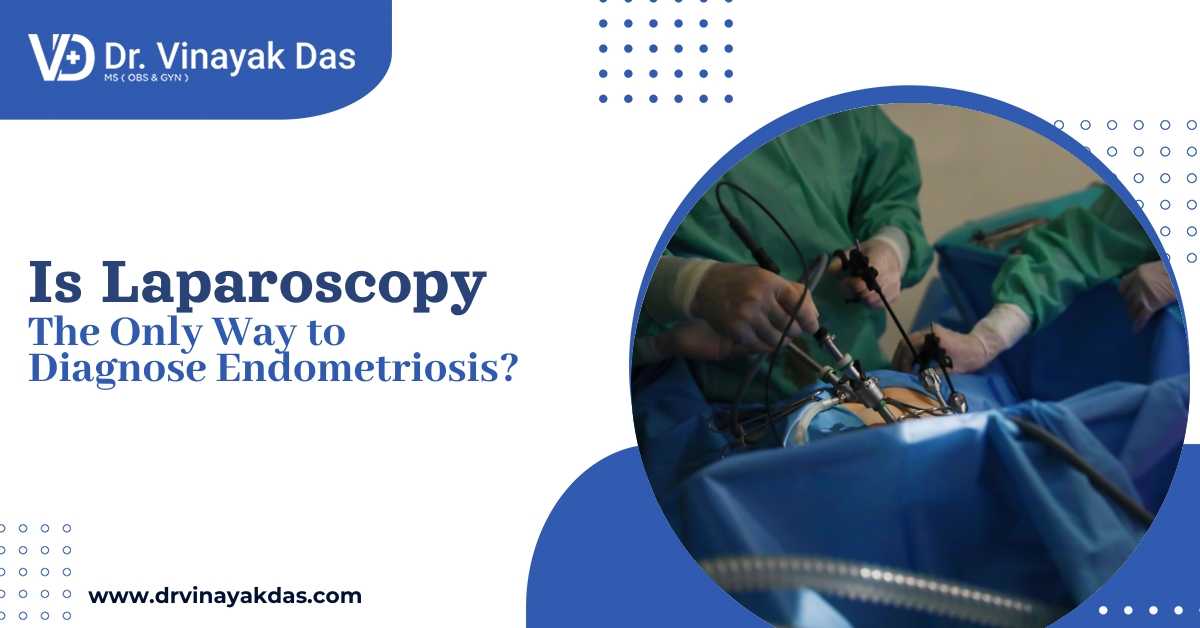
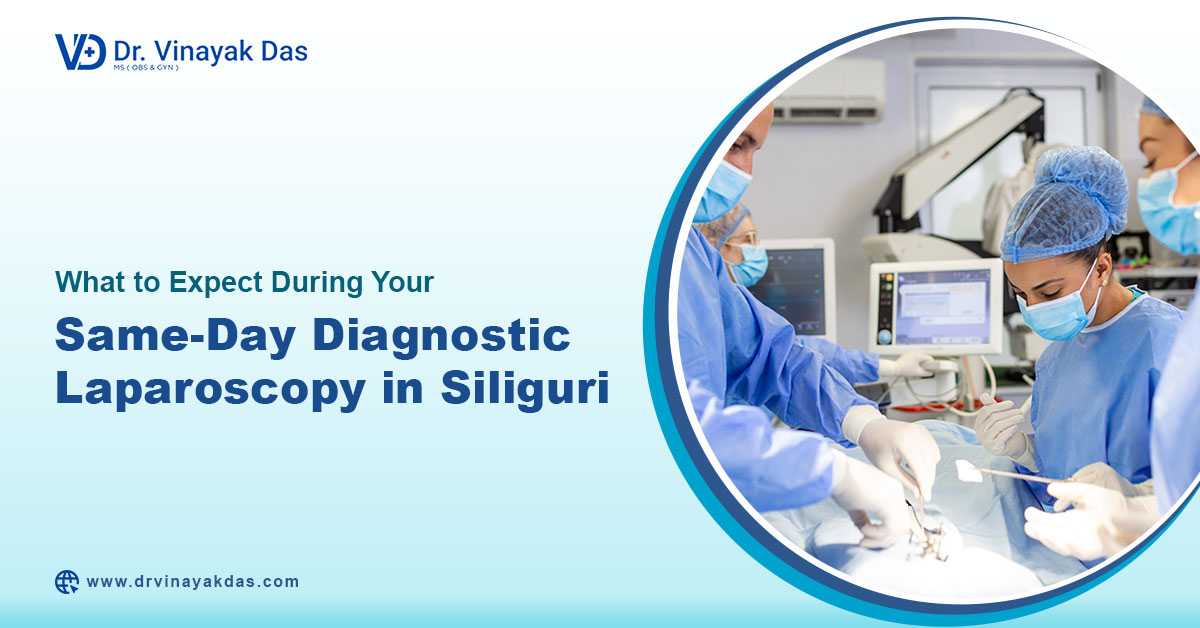
Have you been having stomach or pelvic pain and can’t figure out why? It can feel worrying and frustrating when tests don’t give clear answers. A diagnostic laparoscopy in Siliguri can help; it’s a quick, simple procedure that lets doctors take a closer look inside your abdomen or pelvis to find the cause of the pain.
Many people can have this done and go home the same day. You usually don’t need to stay overnight. Knowing what to expect before, during, and after the procedure can make the whole experience feel a lot less stressful. Let’s take a closer look at what your day might look like so you feel prepared and calm.
What Happens During a Diagnostic Laparoscopy
A diagnostic laparoscopy is a minimally invasive procedure used to look inside your abdomen or pelvis. Unlike traditional surgery, it involves small incisions through which a tiny camera and surgical instruments are inserted. This allows your doctor to examine organs such as your liver, stomach, intestines, ovaries, and uterus without large cuts.
The procedure is often recommended when other tests like ultrasounds or CT scans haven’t given clear answers. It’s also used to take tissue samples or check for conditions such as cysts, endometriosis, or unexplained pelvic pain.
What You Should Do Before Your Procedure
Before your same-day laparoscopy in Siliguri, your doctor will give you detailed instructions. Common preparations include:
- Fasting: You may be asked not to eat or drink for 6–8 hours before the procedure to ensure your stomach is empty.
- Medications: Some medicines, especially blood thinners, may need to be paused. Your doctor will guide you.
- Clothing and Personal Items: Wear comfortable clothes and leave valuables at home. You’ll likely change into a hospital gown.
- Arranging Transportation: Since you’ll receive anesthesia, it’s important to have someone drive you home afterward.
A little preparation goes a long way in making the day smooth and stress-free.
Your Laparoscopy Day: What to Expect
When you arrive at the hospital or surgical center, the staff will check your vitals and review your medical history. You’ll be guided through consent forms, where your doctor explains the procedure, potential risks, and what they hope to discover.
Anesthesia
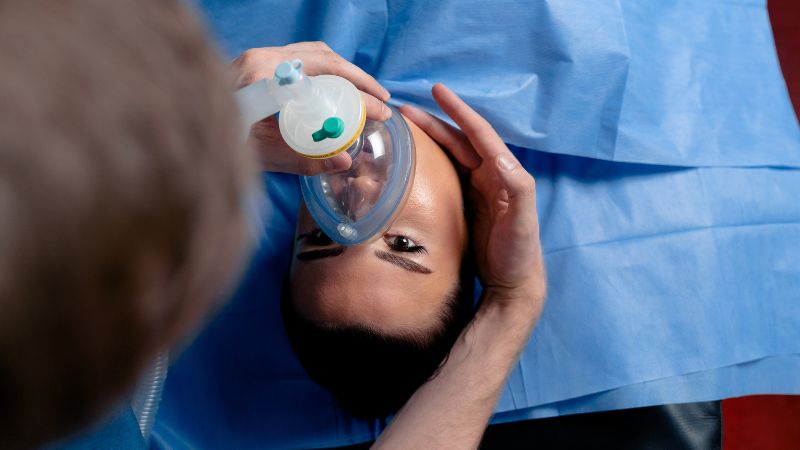
For a diagnostic laparoscopy, you’ll typically receive general anesthesia, which means you’ll be asleep and won’t feel any pain. Some minor laparoscopies may use local anesthesia with sedation, but your doctor will determine the best approach based on your health and the area being examined.
Small Incisions and Camera Insertion
Once anesthesia takes effect, your surgeon will make a few tiny incisions in your abdomen. Through one of these, a small camera called a laparoscope is inserted, giving your doctor a clear view of your organs on a monitor. Other small instruments may be used to gently move tissues or take samples if needed.
This approach allows your doctor to find the cause of your symptoms with minimal disruption to your body, which is why recovery is usually faster than traditional surgery.
Duration of the Procedure
Most diagnostic laparoscopies last between 30 minutes and an hour, depending on the complexity and whether any additional sampling is needed. Since it’s a same-day procedure, you’ll spend a short time in the recovery room before heading home.
Getting Back on Your Feet After Laparoscopy
Even though it’s minimally invasive, you might notice some common effects after the procedure:
- Mild Pain or Discomfort: You may feel a little soreness around the incision sites or a mild bloated feeling from the gas used during surgery. Over-the-counter pain relief is usually enough.
- Fatigue: The anesthesia can leave you feeling tired for the rest of the day. Rest is important.
- Activity Restrictions: Light activities are fine, but avoid heavy lifting or strenuous exercise for a few days.
- Incision Care: Keep the small wounds clean and dry. Your doctor will provide instructions on dressing changes if needed.
Most people feel comfortable returning to normal activities within 1–3 days, but it’s important to follow your doctor’s specific guidance.
Why Patients Prefer Same-Day Laparoscopy
Choosing a same-day diagnostic laparoscopy offers several advantages:
- Faster Recovery: Minimally invasive techniques mean less pain and shorter healing time.
- Convenience: You get diagnosed and return home the same day, avoiding long hospital stays.
- Early Detection: Doctors can identify problems quickly, which helps in planning treatment sooner.
- Lower Risk of Infection: Smaller incisions reduce the likelihood of post-surgical infections.
These benefits make it a popular choice for patients in Siliguri who want thorough diagnostics without the stress of long hospitalization.
Helpful Questions to Ask Before Your Laparoscopy
Even though your doctor will explain everything, it helps to come prepared with questions such as:
- How long will the procedure take?
- Will I need anesthesia, and what type?
- Are there any risks or complications specific to my health?
- What should I expect during recovery at home?
- When will I get my results?
Having clear answers can ease anxiety and make you feel more confident about the procedure.
Signs You Should Call Your Doctor
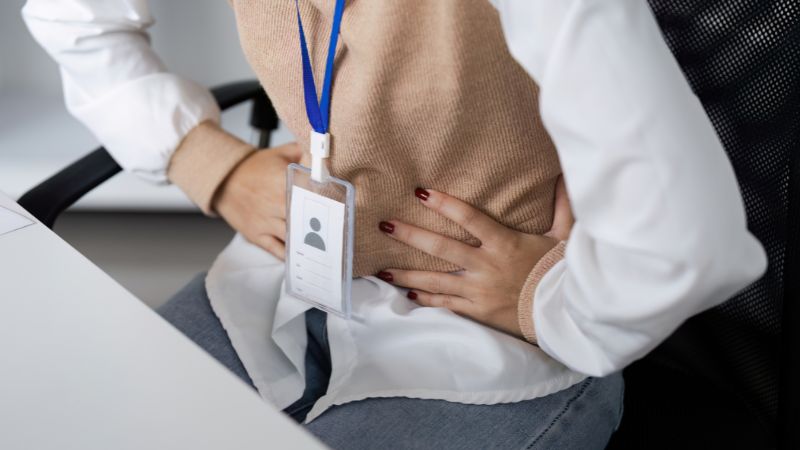
After your laparoscopy, contact your doctor if you notice:
- Excessive bleeding or discharge from incisions
- High fever or chills
- Severe abdominal pain that doesn’t improve with medication
- Nausea or vomiting that persists
Prompt attention ensures minor issues don’t become serious complications.
Final Thoughts
A same-day diagnostic laparoscopy in Siliguri might feel a bit scary at first, but knowing what to expect can make it much easier. From getting ready to the procedure itself and then resting at home, each step is designed to be simple and smooth.
Many people are surprised at how quick and comfortable it can be, and that they can get back to their normal life soon. For guidance and answers, you can consult Dr. Vinayak Das to feel more confident about your health.
Comments (0)
