
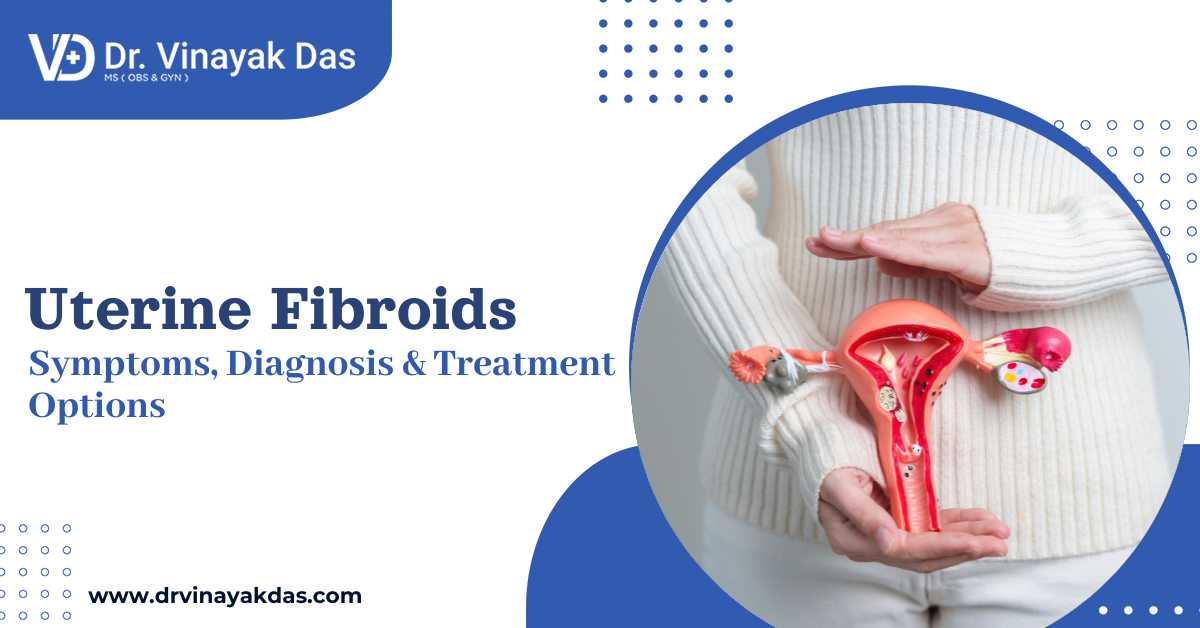
Uterine Fibroids are one of the most common gynecological disorders that impact women, particularly in their reproductive years. These are non-cancerous growths that develop in or around the uterus and are often detected during routine health check-ups or ultrasound scans. Many women search for reliable information and proper uterine fibroids treatment in Siliguri when symptoms begin to affect their daily comfort or reproductive health.
Although the word “fibroids” can sound worrying, it is important to know that most uterine fibroids are harmless and not cancerous. Some women live with fibroids without any symptoms, while others may experience heavy periods, pelvic pain, or fertility-related concerns. Uterine fibroids are most commonly diagnosed in women between the ages of 30 and 50, when hormonal activity is higher.
With early diagnosis and the right medical guidance, uterine fibroids can be managed effectively, helping women maintain a healthy, comfortable, and confident life.
A Simple Explanation of Uterine Fibroids
Non-cancerous growths that form in or near the uterus are called uterine fibroids. They are made of muscle and connective tissue and can vary greatly in size, from very small growths that cause no symptoms to larger ones that may lead to discomfort or pressure. Fibroids often develop during a woman’s reproductive years and are more common than many people realize.
Fibroids in the uterus may not always show clear signs, which is why many women discover them during routine check-ups. Hormonal changes and family history are believed to influence their growth, but in most cases, fibroids are manageable and do not pose a serious health risk when properly monitored.
Different Types of Uterine Fibroids
Based on where they form in the uterus, fibroids are categorized as follows:
Intramural fibroids
These are the most prevalent kind that develop inside the uterine muscle wall.
Submucosal fibroids
Grow just beneath the uterine lining and often cause heavy bleeding
Subserosal fibroids
Grow on the outer surface of the uterus and usually cause pressure symptoms
Knowing the type of fibroid helps doctors decide the most suitable treatment approach.
Common Symptoms Women Experience with Fibroids
Symptoms of uterine fibroids differ from woman to woman. Some experience mild discomfort, while others may find their daily routine affected. Fibroids can sometimes be silent, causing no noticeable issues, which is why regular check-ups are important. Early recognition of symptoms can make treatment easier and help prevent complications later on.
Heavy Menstrual Bleeding
Heavy or prolonged periods are one of the most common symptoms. Some women may need to change pads or tampons frequently, which can lead to weakness or anemia over time. This can also affect daily activities, making women feel tired or low on energy.
Pelvic Pain or Pressure

Fibroids can cause a constant feeling of pressure or heaviness in the lower abdomen, especially if they are large. Some women feel a dull ache, while others may notice sharp pain during certain activities.
Painful Periods
Menstrual cramps may become stronger and more difficult to manage due to fibroids. Pain may also be felt in the lower back or thighs during periods.
Frequent Urination
When fibroids press against the bladder, they may cause frequent urges to urinate, even during the night. In some cases, women may also experience a sense of incomplete bladder emptying.
Constipation or Bloating
Fibroids pressing on the bowel can lead to digestive discomfort or constipation. Large fibroids may make the abdomen feel swollen or heavier than usual.
Fibroids and Infertility
In some cases, fibroids may interfere with fertility by blocking the fallopian tubes or changing the shape of the uterus. However, many women with fibroids conceive naturally. Early evaluation by a gynecologist can help plan the right treatment if pregnancy is a goal.
Fibroids During Pregnancy
Fibroids during pregnancy may cause pain or discomfort as the uterus expands. Most pregnancies progress safely, but regular monitoring is important to ensure both mother and baby remain healthy.
Diagnosis of Uterine Fibroids
Diagnosis of uterine fibroids usually begins with a routine gynecological examination. During a pelvic exam, the doctor may notice changes in the size or shape of the uterus. Sometimes, a woman may not feel any symptoms, and fibroids are discovered unexpectedly during a regular check-up. That’s why routine visits to a gynecologist are important, even if everything feels normal.
Ultrasound Examination
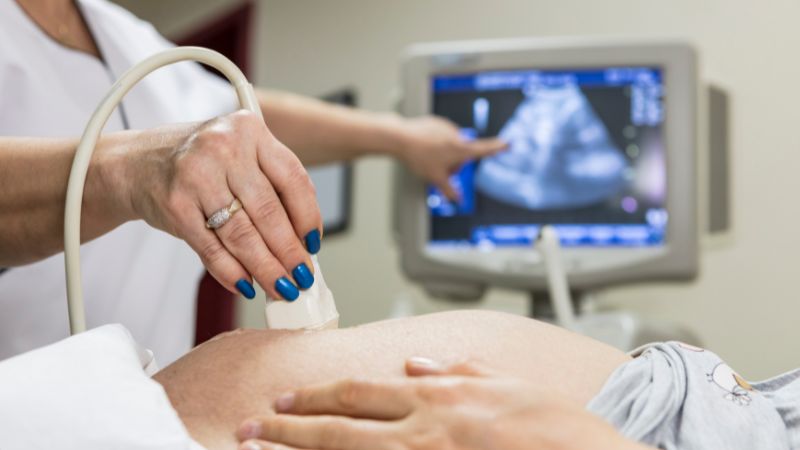
An ultrasound scan is the most commonly used and reliable method for diagnosing fibroids. It clearly shows the size, number, and location of fibroids in the uterus. Ultrasound(Pelvic) is painless, safe, and gives a quick overview, making it the first choice for most gynecologists.
Advanced Imaging
In some cases, MRI or other imaging tests may be advised to get a more detailed view, especially when planning treatment. These advanced scans help the doctor understand the exact type and position of fibroids, which is important for selecting the best treatment approach.
Early diagnosis helps in managing fibroids before they cause serious symptoms or complications. It also gives women peace of mind, allowing them to make informed decisions about their health and future reproductive plans.
Expert Care for Uterine Fibroids
Dr. Vinayak Das is an experienced gynecologist in Siliguri providing evidence-based care for uterine fibroids, fertility concerns, and women’s health issues. His approach focuses on accurate diagnosis, fertility preservation, and personalized treatment plans.
Treatment Options for Uterine Fibroids
Treatment depends on factors such as symptoms, age, fibroid size, and future pregnancy plans. Not all fibroids require treatment.
Treatment for uterine fibroids should never follow a one-size-fits-all approach. Under the guidance of Dr. Vinayak Das, treatment plans are designed after a detailed assessment of symptoms, imaging results, and individual health goals. Special attention is given to fertility preservation, symptom relief, and long-term well-being. By focusing on accurate diagnosis and evidence-based care, women receive safe, personalized treatment options that align with their current needs and plans.
Observation and Regular Monitoring
If fibroids are small and symptom-free, doctors may recommend regular follow-ups without immediate treatment.
Medications
Pain and severe bleeding are two symptoms that medications can help control. These treatments aim to control symptoms rather than remove fibroids.
Minimally Invasive Procedures
Certain procedures like laparoscopic myomectomy help shrink fibroids while preserving the uterus and reducing recovery time.
Surgical Treatment
In severe cases where fibroids significantly affect quality of life, surgery may be recommended. The choice depends on individual health needs.
Women seeking uterine fibroids treatment in Siliguri today benefit from modern medical facilities and personalized care focused on safety and long-term well-being.
When Fibroids Require Treatment
No, not all fibroids need treatment. Many fibroids remain small and do not cause symptoms. Treatment is usually needed only when fibroids cause heavy bleeding, pain, fertility problems, or pressure-related discomfort.
Treatment is recommended only when fibroids affect quality of life, fertility, or overall health.
When to Visit a Gynecologist
Knowing the right time to seek help can make managing fibroids much easier.
- Heavy or prolonged menstrual bleeding that interferes with daily life.
- Constant pelvic pain or a feeling of pressure in the lower abdomen.
- Sudden changes in your menstrual cycle, like irregular periods or spotting between cycles.
- Difficulty getting pregnant or other fertility concerns.
- Feeling unusually tired, weak, or dizzy due to heavy bleeding.
- Frequent urination or bloating that seems unusual or persistent.
- Any unusual discomfort, pain, or swelling in the lower belly.
- Even mild symptoms that worry you, early check-ups help prevent bigger problems.
- Routine visits provide peace of mind and help you stay on top of your reproductive health.
If you notice any of these symptoms, you can contact Dr. Vinayak Das experienced fibroid specialist, for a consultation and proper guidance on managing uterine fibroids.
Managing Life with Fibroids
Managing fibroids also involves simple lifestyle support. Eating iron-rich foods can help prevent weakness caused by heavy bleeding. Staying physically active improves circulation and overall health. Stress management through yoga or meditation can also support hormonal balance.
Regular medical checkups are important to monitor fibroid growth and adjust treatment if necessary.
Frequently Asked Questions (FAQs)
1) Are uterine fibroids cancerous?
No, uterine fibroids are almost always non-cancerous.
2) Can fibroids shrink on their own?
After menopause, decreased hormone levels may cause fibroids to shrink.
3) Do fibroids always cause infertility?
No, many women with fibroids conceive naturally and have healthy pregnancies.
4) Is surgery always required?
No, many fibroids can be managed with medication or monitoring.
5) Can fibroids return after treatment?
In some cases, new fibroids may develop, which is why follow-up care is important.
Conclusion
Uterine fibroids are a common condition, and for most women, they are not something to fear. With proper awareness, timely diagnosis, and the right medical guidance, fibroids can be managed comfortably without affecting daily life. The key is not to ignore symptoms like heavy bleeding, persistent pain, or fertility concerns, as early attention often leads to simpler and more effective treatment.
Uterine fibroids are common and usually manageable when diagnosed on time. With the right guidance from Dr. Vinayak Das, women can understand their condition clearly and choose the best treatment with confidence.
Comments (0)