
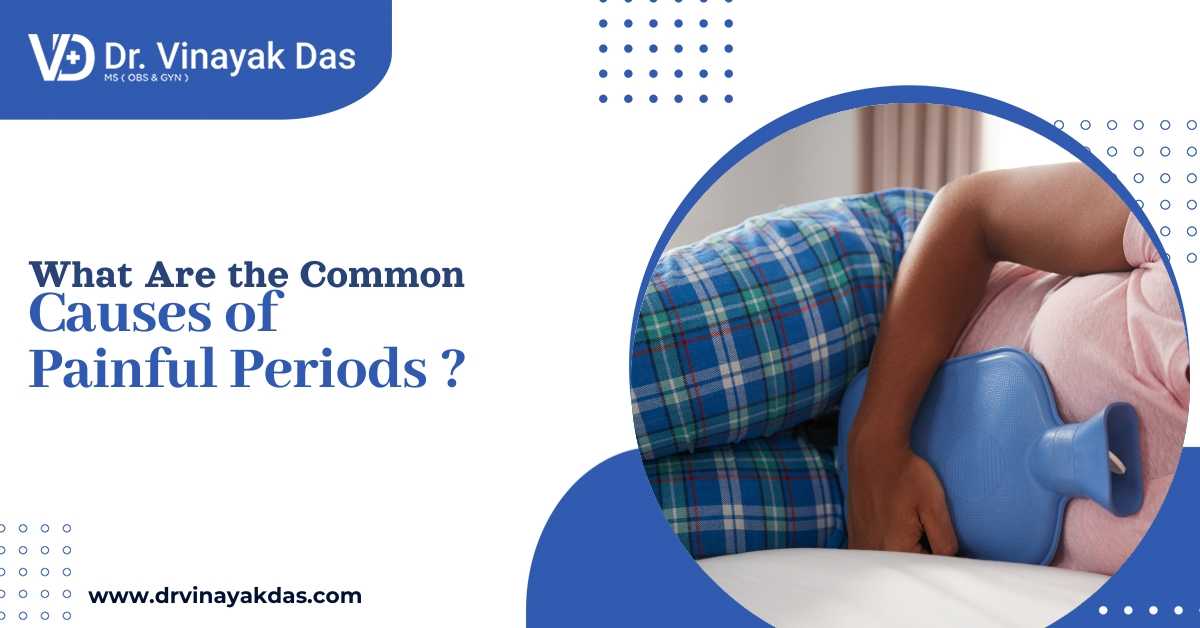
Period cramps are common, but the pain can range from mild discomfort to severe cramps in the lower abdomen, back, or thighs.
Menstrual cramps can be part of a normal period, but conditions like fibroids, endometriosis, and pelvic infections can also cause pain.
Seek medical advice if your period pain is severe or gets worse. Consult the best gynaecologist in Siliguri to understand the causes, symptoms, and treatment options.
Why Do Periods Cause Pain?
Period cramps occur when the uterus tightens to shed its lining, with prostaglandins making the pain worse. When the body produces more prostaglandins, the cramps can feel stronger. The contractions may also briefly reduce blood flow to the uterine muscle, adding to the discomfort.
Period pain can:
- Start just before bleeding or during the first few days.
- Spread from the lower abdomen to the back or thighs.
- Last a few hours or several days.
If your cramps become worse over time or start after years of relatively painless periods, a condition such as endometriosis or fibroids may be the cause. A gynaecologist can help find out what's causing your menstrual pain.
What Are the Types of Painful Periods?
Primary Dysmenorrhea
This type of period pain isn't caused by an underlying pelvic condition. It commonly begins during adolescence.
- Begins just before or during menstruation.
- Usually lasts one to three days.
- May cause nausea, headaches, or diarrhoea.
Secondary Dysmenorrhea
This pain may result from endometriosis, adenomyosis, or fibroids.
- May develop later in life.
- Can worsen over time.
The symptoms can overlap, so a gynaecologist can help identify the actual cause.
What Causes Painful Periods?
High Prostaglandin Levels
Prostaglandins help the uterus contract during menstruation. Higher levels can make cramps worse during the first days of menstruation.
- Pain in the lower abdomen
- Nausea or loose stools
- Headaches or dizziness
Endometriosis
Endometriosis occurs when tissue similar to the uterine lining grows outside the uterus.
Common symptoms include:
- Severe menstrual cramps
- Pain during sex
- Pain during urination or bowel movements, especially during periods.
- Difficulty getting pregnant in some cases
Severe or persistent pain needs medical attention. The intensity of the pain does not always reflect the extent of endometriosis.
Adenomyosis
Adenomyosis develops when tissue similar to the uterine lining grows into the muscular wall of the uterus.
Possible symptoms:
- Painful periods
- Heavy menstrual bleeding
- Pelvic pressure
- An enlarged or tender uterus
Your doctor may suggest a physical examination or ultrasound to identify the cause.
Uterine Fibroids
Fibroids are non-cancerous growths in or around the uterus. Not all fibroids cause symptoms.
When symptoms occur, they may include:
- Heavy menstrual bleeding
- Painful cramps
- Pressure or fullness in the lower abdomen
An ultrasound can help identify fibroids and check their size and location.
Pelvic Inflammatory Disease (PID)
PID is an infection of the upper reproductive tract that can affect the uterus, fallopian tubes, or ovaries.
Watch for symptoms such as:
- Lower abdominal or pelvic pain
- Unusual vaginal discharge
- Pain during sex
- Fever or bleeding between periods
Seek medical care promptly, as untreated PID can lead to complications.
Cervical Stenosis or Other Structural Problems
Cervical stenosis occurs when the opening of the cervix becomes narrower than usual. In some cases, it can make it harder for menstrual blood to flow out of the uterus.
- May cause painful cramps
- Can develop after certain procedures or due to changes in the cervix
- Is a less common cause of period pain
A gynaecologist can evaluate your symptoms and check for any underlying structural issues.
What Factors Can Make Period Pain Worse?
Some factors can increase period pain or make cramps happen more often, including:
- Starting menstruation at an early age
- Family history of painful periods
- Heavy menstrual bleeding
- Smoking
- Conditions such as endometriosis or adenomyosis
- Pelvic inflammation or infection
Consult a gynae doctor in Siliguri if your period pain is severe, persistent, or affects your daily routine.
What Symptoms Can Occur Along With Painful Periods?
Common Menstrual Cramp Symptoms
Period pain can feel different from one person to another. Common symptoms include:
- Cramping or throbbing in the lower abdomen
- Pain spreading to the lower back or thighs
- Nausea or loose stools
- Headaches or tiredness
- Mild dizziness or general discomfort
Symptoms That May Suggest an Underlying Condition
Pay attention if you notice any of the following:
- Period pain that gets worse over time
- Pain that continues after your period ends
- Heavy or prolonged bleeding
- Pain during sex
- Bleeding between periods
- Pelvic pain outside menstruation
- Pain that makes everyday activities difficult
These symptoms do not always mean something serious is wrong. However, if they persist or affect your daily life, speak with a gynaecologist to find out what may be causing them.
How Do Doctors Find the Cause of Painful Periods?
Medical History and Symptom Review
A gynaecologist may ask about:
- Age when periods started
- Menstrual cycle and bleeding pattern
- Pain duration and severity
- Other symptoms
- Medical history and medicines tried
Examination and Tests
Your doctor may recommend the following based on your symptoms:
- Physical examination
- Abdominal or pelvic exam, if needed and with your consent.
- Pelvic ultrasound
- Pregnancy test, if relevant
- Tests for infection, if suspected
You may not need every test. If the pain continues despite treatment, your doctor may suggest further tests.
When Should You Consult a Gynaecologist for Period Pain?
See a gynae doctor in Siliguri if you notice:
- Period pain that affects your work, sleep, or daily activities
- Cramps that become worse over time
- Pain that persists despite usual treatment.
- Heavy bleeding or unusually long periods
- Pain between periods or during sex
- Unusual vaginal discharge or recurring pelvic pain
Signs That Need Urgent Medical Care
Get medical help urgently if you experience:
- Sudden, severe abdominal or pelvic pain
- Severe pain with fainting or extreme weakness
- Heavy bleeding with dizziness or faintness
- Pelvic pain with fever and feeling very unwell
- Severe pain or bleeding with possible pregnancy, especially with dizziness or shoulder pain.
These symptoms may indicate another condition and require prompt medical care.
Frequently Asked Questions
At What Age Are Periods Most Painful?
Period cramps often begin during the teenage years. They can occur at any age, but pain that starts later or gets worse over time needs medical attention.
How Can I Relieve Period Pain?
A warm water bottle, gentle stretching, rest, and suitable pain relief medicines may help ease cramps.
Why Do Periods Hurt So Badly?
Strong contractions of the uterus can cause painful cramps. Endometriosis, adenomyosis, and fibroids may cause severe cramps.
What Should I Avoid During Periods?
Avoid smoking and activities that make your discomfort worse. Do not ignore severe pain or take painkillers without checking whether they are safe for you.
Can Stress Make Period Cramps Worse?
Stress may make cramps harder to cope with. Rest, gentle exercise, and relaxation can help you feel more comfortable.
When Should I Worry About Menstrual Cramps?
Consult a doctor if period pain is severe, worsens, or disrupts daily activities. Seek medical advice for heavy bleeding, fever, or unusual discharge. Sudden, severe pelvic pain requires urgent care.
Conclusion
Period cramps are common, but severe pain that affects your daily routine deserves attention. Endometriosis, adenomyosis, and fibroids may also lead to painful periods.
Dr Vinayak Das can help you discuss your symptoms and understand what care may be suitable for you.
If you are looking for the best gynaecologist in Siliguri, consult a qualified specialist to find out what may be causing your pain and discuss the right treatment.
