




Pelvic pain can happen for many reasons. It may be related to your period and settle within a few days, or it may have another underlying cause.
Pain that keeps coming back, becomes stronger, or affects your daily activities should be checked by a gynaecologist rather than simply tolerated.
You should also seek medical advice if pelvic pain occurs with unusual bleeding, vaginal discharge, fever, pain during sex, or other new symptoms.
Timely consultation with the best gynaecologist in Siliguri can help identify the possible cause and guide you towards the right treatment.
Overview of Pelvic Pain
Pelvic pain is discomfort felt in the lower abdomen, below the belly button, or around the reproductive organs. It may feel like cramps, pressure, aching, or a sharp pain.
The pain may last for a short time or return over several weeks or months. When it happens, how severe it is, and whether you have other symptoms can help your doctor understand its possible cause.
Is Pelvic Pain Ever Normal?
Some pelvic discomfort can be normal, especially during menstruation. Period cramps are caused by contractions of the uterus and often improve within a few days.
But very painful periods are not something you always have to accept as normal. If the pain is getting worse, affecting your daily routine, or no longer improves with your usual measures, it is worth discussing with a gynaecologist.
What Causes Pelvic Pain?
Pelvic pain can come from different parts of the body, so the cause is not always gynaecological.
Gynaecological Causes
Common gynaecological causes include:
● Period pain
● Endometriosis
● Adenomyosis
● Fibroids
● Ovarian cysts
● Pelvic inflammatory disease (PID)
Urinary Causes
Pelvic discomfort can also be linked to:
● Urinary tract infections (UTIs)
● Bladder-related problems
Digestive Causes
Problems affecting the digestive system can sometimes feel like pelvic pain, including:
● Constipation
● Irritable bowel syndrome (IBS)
● Other bowel problems
Because several conditions can cause similar symptoms, the pain itself cannot always tell you what is causing it.
What Are the Common Symptoms of Pelvic Pain?
Pelvic pain may occur on its own or alongside other symptoms. You may notice:
● Heavy or irregular periods
● Bleeding between periods or after sex
● Unusual vaginal discharge
● Pain during or after sex
● Pain while urinating
● Constipation or changes in bowel movements
● Bloating
● Fever or feeling unwell
● Nausea or vomiting
These details can help your doctor decide whether you need further evaluation.
What Can You Do at Home for Mild Pelvic Pain?
If the pain is mild and seems related to your period, simple measures may help:
● Apply a warm heating pad or hot-water bottle to your lower abdomen.
● Get enough rest.
● Drink enough fluids.
● Try gentle stretching or light activity if it feels comfortable.
● Track when the pain starts and how long it lasts.
● Take an over-the-counter pain reliever if it is normally safe for you and follow the recommended dose.
Home care may be enough for mild, short-term discomfort. If the pain keeps returning, becomes severe, or is accompanied by unusual symptoms, medical evaluation is more appropriate.
When Should You See a Gynaecologist for Pelvic Pain?
You should consider seeing a gynaecologist when pelvic pain is persistent, recurrent, worsening, or starts interfering with your normal activities.
A consultation is particularly important if:
The pain keeps coming back:
Recurring pain that does not settle or affects your work, studies, sleep, or daily activities should be evaluated.
Your period pain is getting worse:
Pain that is much stronger than before, does not improve with your usual pain relief, or regularly makes you miss normal activities may need further investigation.
You have repeated pain during sex:
Deep pelvic pain during or after sex can occur with conditions such as endometriosis, pelvic infections, or ovarian cysts.
You have unusual bleeding:
Bleeding between periods, after sex, or unusually heavy periods should be discussed with a doctor. Pelvic pain with bleeding after a missed period needs prompt assessment if pregnancy is possible.
You notice unusual discharge:
A new smell or change in the colour or texture of vaginal discharge, particularly with pelvic pain or pain while urinating, may indicate an infection.
You are trying to conceive:
Ongoing or recurring pelvic pain is worth discussing with a gynaecologist, as conditions such as endometriosis or PID can sometimes affect fertility.
What Does Pelvic Pain Mean in Different Situations?
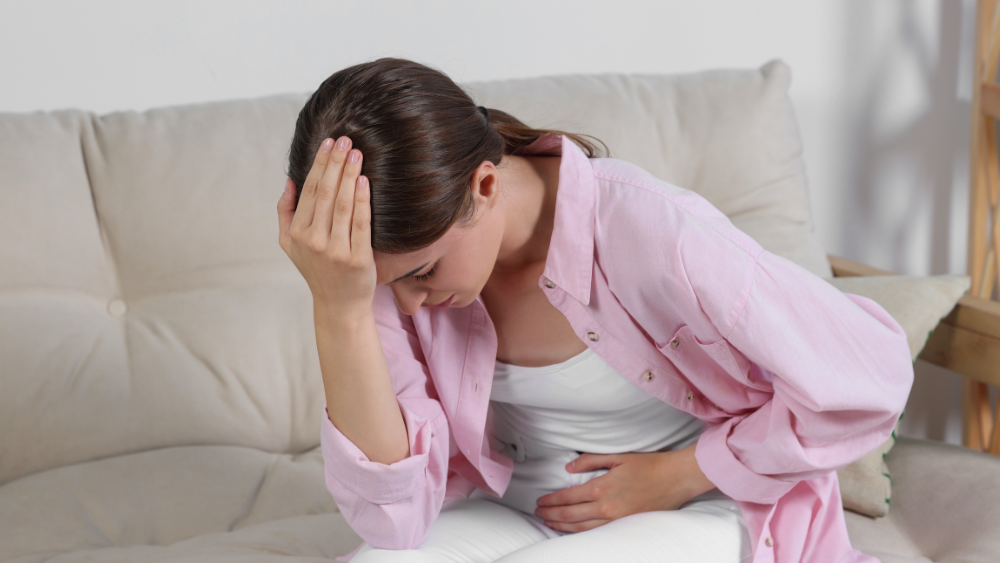
The timing of pelvic pain can provide useful information during a medical consultation.
During your period:
Mild to moderate cramps are common. Severe pain that regularly disrupts your routine should be evaluated.
Between periods:
Pain that occurs outside your period or continues throughout the month may need attention if it does not settle.
During or after sex:
Repeated or deep pelvic pain should be discussed with a gynaecologist rather than simply tolerated.
During pregnancy:
Pelvic pain can have several causes. Severe pain, bleeding, dizziness, or fainting needs prompt medical attention.
After menopause:
New pelvic pain should be assessed, especially when accompanied by bleeding, bloating, urinary changes, or unexplained weight loss.
In teenagers:
Period cramps can occur, but severe or worsening pain that regularly interferes with school or other activities should be checked.
What Is the Difference Between Acute and Chronic Pelvic Pain?
|
Acute Pelvic Pain |
Chronic Pelvic Pain |
|---|---|
|
Starts suddenly and may last hours or days. |
Lasts longer or keeps coming back. |
|
May occur with infections, cyst complications, or urinary problems. |
May occur with conditions such as endometriosis, adenomyosis, or pelvic floor problems. |
|
Severe or sudden pain may need urgent care. |
Ongoing pain should be evaluated to find the cause. |
The difference between the two can help your doctor understand how long the problem has been present and what investigations may be needed.
When Is Pelvic Pain an Emergency?
Most pelvic pain does not require emergency care. However, seek urgent medical attention if the pain is:
● Sudden and severe
● Getting worse quickly
● Associated with fainting, dizziness, or unusual weakness
● Accompanied by heavy vaginal bleeding
● Associated with fever or feeling very unwell
● Accompanied by repeated vomiting
● Occurring during pregnancy or when pregnancy is possible
Sudden, severe pelvic pain with vomiting or faintness can sometimes occur with an ovarian cyst complication, such as ovarian torsion or cyst rupture. These symptoms need prompt medical assessment.
How Is Pelvic Pain Diagnosed?
Your evaluation usually begins with a discussion about your symptoms and medical history. Your gynaecologist may ask about your periods, pregnancy possibility, bleeding, discharge, sexual symptoms, urinary symptoms, and previous health problems or surgeries.
Depending on your symptoms, you may need:
● Abdominal or pelvic examination
● Pregnancy testing
● Urine or infection testing
● Ultrasound
● Blood tests
● Other imaging or investigations when required
Not everyone needs all of these tests. Your doctor will recommend them based on your symptoms and examination findings.
When Is Diagnostic Laparoscopy Considered?
If pelvic pain continues and the cause is still unclear after an initial evaluation, your gynaecologist may recommend further investigation. In selected cases, Diagnostic Laparoscopy Siliguri may be considered to look directly inside the abdomen and pelvis.
It may be considered when:
● Endometriosis or another pelvic condition is suspected.
● Other tests have not clearly identified the cause.
● Pelvic pain continues or repeatedly returns.
● A closer look at the pelvic organs is needed.
Diagnostic laparoscopy is not required for everyone with pelvic pain. Your doctor will decide whether it is appropriate based on your symptoms, examination, and test results.
What Happens During a Gynaecologist Appointment?
Your appointment usually starts with a discussion about your pelvic pain and other symptoms. Your doctor may ask about:
● When the pain started and how often it occurs
● Whether it is related to your period
● Any unusual bleeding or discharge
● Sexual, urinary, or bowel symptoms
● Whether pregnancy is possible
Depending on your symptoms, your doctor may recommend an examination or tests such as an ultrasound, pregnancy test, urine test, or blood test.
What Should You Tell Your Gynaecologist?
You do not need to have every detail perfectly organised. Try to explain:
● When the pain started
● Where you feel it
● How severe it is
● Whether it occurs before, during, or after your period
● How long it lasts
● Whether sex, urination, or bowel movements make it worse
● Any unusual bleeding or discharge
● Your menstrual cycle details
● Previous diagnoses or surgeries
● Current or previous contraception
Being open about menstrual, sexual, and urinary symptoms can give your doctor a clearer picture of what may be causing the pain.
How Is Pelvic Pain Treated?
Treatment depends on the underlying cause. Your gynaecologist may recommend:
● Pain-relief medicines to manage discomfort
● Hormonal treatment for some period-related conditions
● Antibiotics for certain bacterial infections
● Treatment for conditions such as endometriosis, fibroids, or adenomyosis
● Monitoring or treatment of ovarian cysts, depending on the situation
● Physiotherapy in selected cases
● Surgery when medically necessary
The treatment plan depends on what is causing the pain, how severe your symptoms are, and your overall health.
How Can You Prepare for a Gynaecologist Visit?
Preparation can make your appointment easier. Before visiting a gynae doctor in Siliguri i, you can:
● Track your periods and pelvic pain.
● Note any medicines or supplements you take.
● Write down your symptoms and questions.
● Mention if pregnancy is possible.
● Bring previous reports, scans, or test results if available.
● Be open about sexual, menstrual, urinary, and bowel symptoms.
If you are looking for the best doctor for gynaecological problems in Siliguri, choose a doctor who takes time to understand your symptoms and clearly explains the recommended tests and treatment options.
Conclusion
Pelvic pain can have many causes, and knowing when it needs medical attention is important. Persistent, recurring, or severe pain, especially with unusual bleeding, discharge, fever, or pain during sex, should be evaluated by a gynaecologist.
If you are experiencing ongoing pelvic pain, Dr Vinayak Das, one of the best gynaecologists in Siliguri, can help assess your symptoms and recommend suitable treatment.
