



A high-risk pregnancy means there is a higher chance of health problems affecting the mother, the baby, or both. Being considered high risk does not mean that complications will definitely happen.
A doctor may suggest extra tests or more frequent check-ups based on the specific risk. Some tests are routine during pregnancy, while others are needed only when there is a particular concern.
These tests help monitor the mother’s health, the baby’s growth and development, placental function, and possible complications. A high-risk pregnancy specialist in Siliguri may recommend different tests based on each pregnancy.
The tests recommended during a high-risk pregnancy depend on why the pregnancy is considered high risk. The testing plan may also change as the pregnancy progresses.
Which Tests Are Commonly Recommended in a High-Risk Pregnancy?
Here are some of the common tests your doctor may recommend during a high-risk pregnancy. The tests will depend on your health, pregnancy history, and any concerns about you or your baby.
Blood Pressure Monitoring
Your blood pressure is checked at regular pregnancy visits. It may be checked more often if you have high blood pressure or there are signs of preeclampsia. A reading of 160/110 mmHg or higher needs urgent medical attention.
Urine Tests
A urine test can check for protein, infection, and other changes. Protein in the urine can be important when checking for preeclampsia, especially when it occurs with high blood pressure or other symptoms.
Complete Blood Count and Other Blood Tests
A complete blood count can check your haemoglobin and platelet levels and help identify anaemia. Your doctor may also order liver and kidney tests, blood sugar tests, blood group and antibody tests, or infection tests when needed.
Blood Sugar Testing
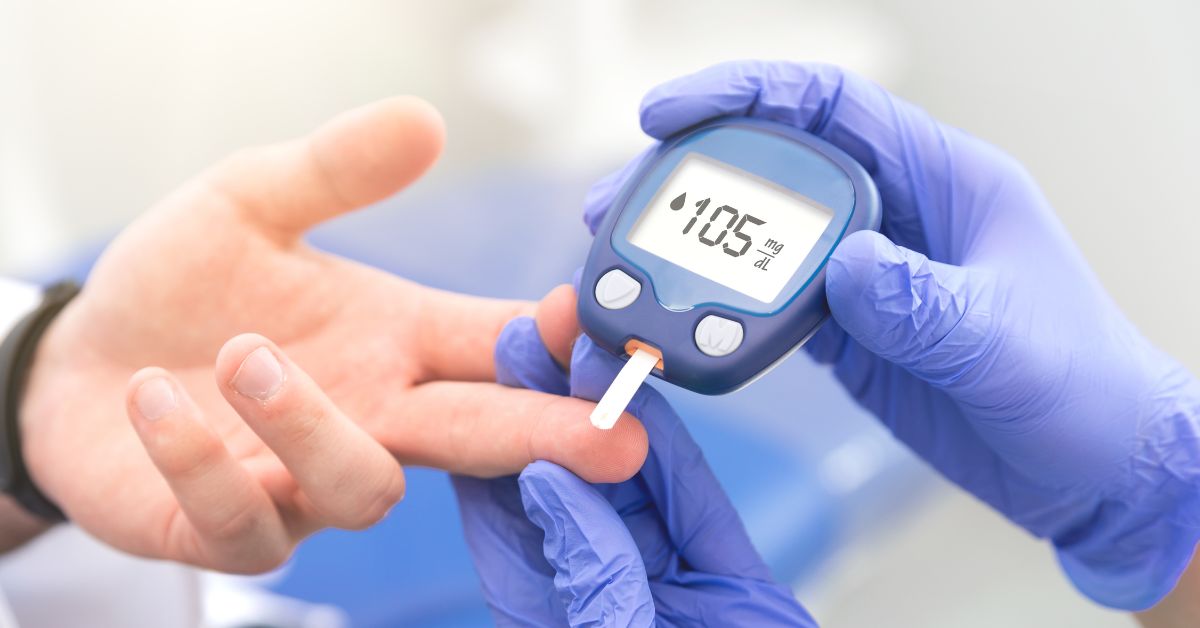
Blood sugar tests may be needed if you have diabetes or a higher chance of developing gestational diabetes. An oral glucose tolerance test (OGTT) is commonly done between 24 and 28 weeks when recommended based on your risk factors.
Genetic Screening Tests
Genetic screening can include NIPT, nuchal translucency ultrasound, first-trimester screening, second-trimester blood tests, and carrier screening. These tests estimate the chance of certain conditions; they do not confirm that the baby has one.
NIPT or Cell-Free DNA Testing
NIPT is a blood test that screens for certain chromosomal conditions. The test is generally available once you reach about 10 weeks of pregnancy. If the result shows a higher chance of a condition, your doctor may discuss further testing to confirm it.
Ultrasound Scans
Ultrasound scans can check the baby's growth, anatomy, position, placenta, and amniotic fluid. You may need extra scans if there are concerns about the baby's development or your pregnancy.
Detailed Anomaly Scan
This scan is usually done around the middle of pregnancy. It looks closely at the baby's brain, spine, heart, abdomen, limbs, and other organs. It can find many structural problems, but it cannot detect every birth defect.
Fetal Growth Scan
A growth scan may be advised if there are concerns about the baby's size or growth. It can check fetal measurements, estimated weight, growth pattern, and amniotic fluid. It may also be used when there are placental problems, high blood pressure, or certain medical conditions.
Doppler Ultrasound
Doppler ultrasound checks blood flow through certain blood vessels in the placenta and baby. It may be used when the doctor is concerned about fetal growth or placental blood flow.
Non-Stress Test (NST)
An NST checks the baby's heart rate and movement. It may be recommended if you notice reduced fetal movement or if your doctor wants to keep a closer check on the baby's well-being.
Cardiotocography (CTG)
CTG records the baby's heart rate and uterine activity. It may be used when closer monitoring is needed, such as in some cases of preeclampsia or severe high blood pressure.
Amniotic Fluid Assessment
An ultrasound can check the amount of fluid around the baby. Your doctor may look at this when there are concerns about fetal growth, placental function, or abnormal fluid levels.
Tests for Preeclampsia
If preeclampsia is suspected, your doctor may check blood pressure, urine protein, platelet count, liver function, and kidney function. The baby's growth and blood flow may also be checked.
Infection Testing
Infection tests are chosen based on your symptoms, medical history, possible exposure, and stage of pregnancy. They may include tests for urinary infections, sexually transmitted infections, or certain viral infections.
Amniocentesis and Chorionic Villus Sampling
These are diagnostic tests used to check for certain genetic or chromosomal conditions. CVS examines placental tissue, while amniocentesis examines the fluid surrounding the baby. Both have a small risk of pregnancy loss, so your doctor will discuss the reasons and risks before recommending them.
Do All High-Risk Pregnancies Need the Same Tests?
No, every high-risk pregnancy is different. A pregnancy may be considered high risk due to the mother’s health, past pregnancy problems, age, carrying more than one baby, or concerns that arise during pregnancy.
Your doctor may adjust the monitoring based on:
- Your overall health
- Previous pregnancy history
- Current symptoms
- Changes during pregnancy
- Baby’s growth and development
- Results from earlier check-ups
You may need more regular check-ups if closer monitoring is required. Your care may also change as your pregnancy progresses.
A High Risk Pregnancy Doctor in Siliguri can help decide how closely your pregnancy should be followed based on your individual situation.
When to Call Your Doctor During a High-Risk Pregnancy
Contact your doctor if you notice any unusual change or symptom during pregnancy. Do not wait for your next scheduled appointment if something feels concerning.
You should contact your doctor if you have:
- Vaginal bleeding
- Severe or ongoing abdominal pain
- Severe headache or blurred vision
- Sudden swelling of the face, hands, or feet
- Trouble breathing or chest pain
- Fluid leaking from the vagina
- Regular painful contractions before your due date
- A noticeable decrease in your baby's movements
- Fever or signs of infection
- Very high blood pressure, if checked at home.
Some symptoms may need urgent medical attention, especially heavy bleeding, severe abdominal pain, difficulty breathing, seizures, or severely reduced baby movements.
If you are unsure whether a symptom is serious, it is better to contact your doctor and ask rather than ignore it.
FAQs
What to avoid doing in high-risk pregnancy?
Avoid smoking, alcohol, recreational drugs, and medicines or activities your doctor has not approved.
At what age is pregnancy considered high risk?
Pregnancy after 35 years of age may carry a higher risk of certain complications, although age is only one of several factors doctors consider.
How to reduce the risk of a high-risk pregnancy?
Attend your pregnancy check-ups, follow your doctor's advice, manage health conditions, eat well, and avoid smoking and alcohol.
Can a high-risk pregnancy become normal later?
In some cases, the risk can decrease with proper treatment and regular monitoring. It largely depends on the cause of the high-risk pregnancy.
What happens if a test result is abnormal?
Your doctor may repeat the test or suggest another test to find out what the result means. An abnormal result does not always mean there is a serious problem.
When is pregnancy considered high risk?
A pregnancy may be classed as high risk when the mother, baby, or both have a greater chance of developing health complications.
At the end
A high-risk pregnancy may require more frequent visits and closer monitoring. The type of care and tests you need will depend on your health and what makes the pregnancy high risk.
Following your doctor's advice and attending scheduled visits can help keep track of your health and your baby's growth.
If you have concerns, Dr. Vinayak Das, a high-risk pregnancy specialist in Siliguri, can guide you through the care and tests needed during pregnancy.