

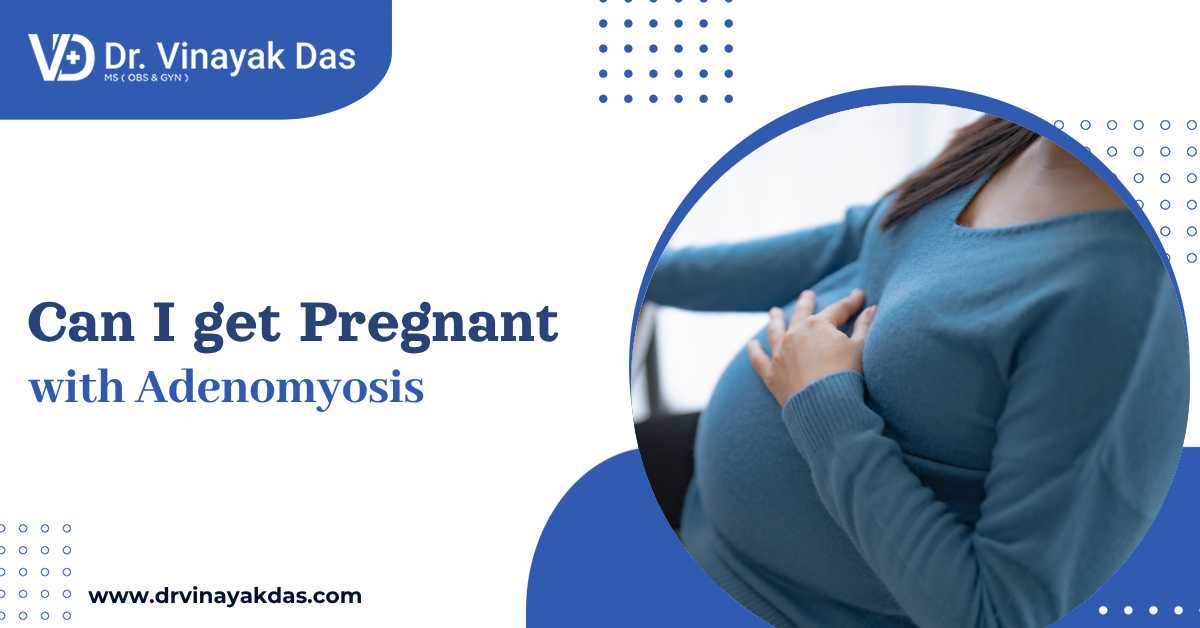
After hearing about adenomyosis, the first question that arises in everyone's mind is: “Can I still have a baby if I have adenomyosis, especially when I am planning a pregnancy?”
The answer is yes. Many women with adenomyosis can become pregnant, although the condition may affect fertility in some cases.
Adenomyosis can make conception difficult or increase the risk of pregnancy. If you are concerned about your fertility, consulting the best gynaecologist in Siliguri can help you understand your condition and available options.
How Adenomyosis Can Affect Fertility
.png)
Having adenomyosis does not mean you cannot get pregnant, but it can make it difficult to conceive. This affects fertility in different ways; here are some.
Changes in the Uterus
Adenomyosis causes tissue similar to the uterine lining to grow into the muscular wall of the uterus. This can make the uterus thicker or enlarged and may affect the normal environment needed for pregnancy.
Difficulty with Implantation
After fertilisation, the embryo needs to attach to the uterine lining. Changes caused by adenomyosis may affect the lining and make it harder for an embryo to implant successfully.
Increased Inflammation
Adenomyosis can cause inflammation in the uterus. This may create an environment that is less favourable for fertilisation or embryo implantation.
Changes in Uterine Contractions
The uterus naturally contracts during the menstrual cycle. Adenomyosis can affect these contractions, which may interfere with the movement of sperm or the process of embryo implantation.
Higher Risk of Pregnancy Loss
Some studies have found that adenomyosis is linked with a higher risk of miscarriage, particularly among women undergoing fertility treatment. However, having adenomyosis does not mean that a miscarriage will happen.
Other Fertility Problems May Be Present
Adenomyosis happens with other health conditions like endometriosis or fibroids. Having these conditions also affects your fertility, so it's important to consider your overall reproductive health instead of adenomyosis only.
Symptoms of Adenomyosis That May Affect Pregnancy
Here are some common symptoms of adenomyosis that make pregnancy difficult:
● Heavy menstrual bleeding
● Prolonged periods
● Severe menstrual cramps
● Pelvic pain
● Chronic pelvic pain
● Pain during intercourse
● Pain after intercourse
● Spotting between periods
● Irregular menstrual bleeding
● Abdominal bloating
● Abdominal pressure or heaviness
● Enlarged or tender uterus
● Lower abdominal pain
● Lower back pain
● Leg pain
● Fatigue
● Weakness caused by heavy bleeding or anaemia
● Difficulty conceiving
● Recurrent miscarriage
● Painful bowel movements during periods
● Painful urination during periods
● Increased urinary frequency or bladder pressure
● No symptoms at all in some women
What Are the Possible Risks of Adenomyosis?
Adenomyosis affects every woman differently; some may have mild symptoms, while others feel pain, heavy bleeding, or other fertility concerns. Here are some possible risks, which include:
Heavy Menstrual Bleeding
Adenomyosis can cause very heavy or prolonged periods. Over time, this may lead to low iron levels or iron-deficiency anemia.
Severe Pelvic Pain
The condition can cause strong menstrual cramps and ongoing pelvic pain. In some women, the pain can interfere with work, sleep, exercise, and daily activities.
Pain During Intercourse
Adenomyosis may cause deep pain during or after sex. This can affect comfort and may make sexual activity difficult for some women.
Difficulty Getting Pregnant
Adenomyosis may affect the uterus and the environment needed for implantation. Some women with the condition may take longer to conceive, although adenomyosis does not mean infertility.
Increased Risk of Miscarriage
Research suggests that women with adenomyosis who undergo fertility treatment may have a higher risk of miscarriage. However, having adenomyosis does not mean that a miscarriage will happen; many women still have successful pregnancies.
Pregnancy Complications
Adenomyosis can increase the chance of some pregnancy complications, including early birth, early water breaking, and high blood pressure. The level of risk can vary from person to person.
Anaemia
Heavy periods over time can cause you to lose a lot of blood. This can lead to anaemia, which may make you feel tired, weak, dizzy, or short of breath.
Reduced Quality of Life
Persistent pain, heavy bleeding, fatigue, and concerns about fertility can affect emotional well-being, relationships, work, and everyday activities.
If you have adenomyosis and are planning a pregnancy, consulting the best doctor for gynaecological problems in Siliguri can help you understand your risks and available treatment options.
Tests Used to Check Fertility with Adenomyosis
Here are some tests that your doctors recommend to check fertility issues with adenomyosis:
● Pelvic examination
● Transvaginal ultrasound
● Pelvic ultrasound
● MRI scan
● Hormone blood tests
● AMH test
● FSH test
● LH test
● Oestradiol test
● Progesterone test
● Thyroid function tests
● Prolactin test
● Ovulation testing
● Follicular monitoring
● Hysterosalpingography (HSG)
● Sonohysterography
● Saline infusion sonography
● Hysteroscopy
● Semen analysis
● Ovarian reserve testing
● Antral follicle count (AFC)
● Genetic testing, when recommended
● Laparoscopy, when other fertility problems are suspected
Can You Have a Healthy Pregnancy with Adenomyosis?
Yes, many women with adenomyosis can have a healthy pregnancy. Although the condition may increase the risk of certain pregnancy complications, having adenomyosis does not mean that you cannot carry a pregnancy successfully.
Regular prenatal care is especially important because your doctor can monitor your health and the baby's growth throughout pregnancy. The level of risk varies from person to person, so your care plan will depend on your symptoms, age, medical history, and the extent of adenomyosis.
How to Improve Your Chances of Getting Pregnant with Adenomyosis
Here are some simple ways to improve your chances of getting pregnant with adenomyosis. Along with these steps, consulting the best gynaecologist is important to understand your condition, manage possible risks, and choose the right treatment or fertility plan.
● Track your ovulation to identify your most fertile days.
● Have regular intercourse, especially around the time of ovulation.
● Maintain a healthy weight to support normal reproductive function.
● Take folic acid before trying to conceive.
● Manage adenomyosis symptoms with guidance from your doctor.
● Avoid smoking and alcohol while trying to conceive.
● Stay physically active with regular moderate exercise.
● Get fertility testing if you have difficulty conceiving.
● Discuss your pregnancy plans with a gynaecologist or fertility specialist.
When Should You Consult a Gynaecologist for Adenomyosis?
.png)
Heavy or prolonged periods:
If you have very heavy or long periods, get them checked by a doctor. Losing a lot of blood again and again can cause anemia.
Severe period pain:
If menstrual cramps are severe, getting worse, or affecting your daily routine, a gynaecologist can help find the cause and discuss suitable treatment.
Ongoing pelvic pain:
Pelvic or lower abdominal pain that continues between periods may need further evaluation to understand whether adenomyosis or another condition is responsible.
Pain during intercourse:
If you have pain during or after sex, talk to your doctor. This is especially important if the pain feels deep or keeps coming back.
Unusual bleeding:
Spotting between periods, bleeding after sex, or a noticeable change in your usual menstrual pattern should be evaluated.
Difficulty getting pregnant:
If you have been trying to conceive without success, a fertility assessment can help identify whether adenomyosis or another fertility issue may be involved.
Planning a pregnancy:
If you already know you have adenomyosis and want to become pregnant, an early consultation can help you understand your condition and plan appropriate care.
Repeated miscarriages:
If you have experienced repeated pregnancy loss, speak with a doctor to check for possible factors that could be affecting your pregnancies.
Symptoms affecting daily life:
Pain, heavy bleeding, tiredness, or other symptoms that interfere with work, sleep, exercise, or normal activities are reasons to seek medical advice.
Symptoms getting worse:
If your pain or bleeding suddenly becomes more severe or your symptoms keep increasing, arrange a medical check-up rather than ignoring the changes.
Also Read:-
What to Expect During Your Same-Day Diagnostic Laparoscopy
A Detailed Overview Of The Critical Endometriosis Stages
Why So Many Women Delay Visiting a Gynecologist
Conclusion
Adenomyosis can make it harder to get pregnant, but it does not mean you cannot get pregnant. Women with adenomyosis still conceive naturally, while some women need proper medical support; this depends on their overall condition, age, and reproductive health.
If you have adenomyosis, symptoms such as heavy periods, pelvic pain, or difficulty conceiving should not be ignored. Early evaluation can help you understand your fertility and choose the right approach.
If you’re planning to conceive or have fertility concerns, consult Dr. Vinayak Das for personalised guidance and discuss the next steps for your pregnancy journey.