


The thought process does not stop at the doctor’s clinic because the process of thinking continues throughout the day. It keeps wondering things like whether I should go through the surgery, will everything be okay, and how hard the process is going to be for me to recover from it.
It's not only the technical part of the surgery that matters, but also the level of comfort involved, along with the convenience factor post-surgery. Anybody in your shoes would think similarly.
If you have been recommended to go for a laparoscopic hysterectomy in Siliguri, then no lengthy discussion on the matter is necessary. All you want is clarity on certain aspects of it.
Yes, a laparoscopic hysterectomy is generally safe when performed by an experienced gynecologist. It offers faster recovery, less pain, smaller cuts, and a lower risk of infection compared to open surgery. However, safety depends on your health condition and proper medical evaluation.
What This Surgery Actually Means
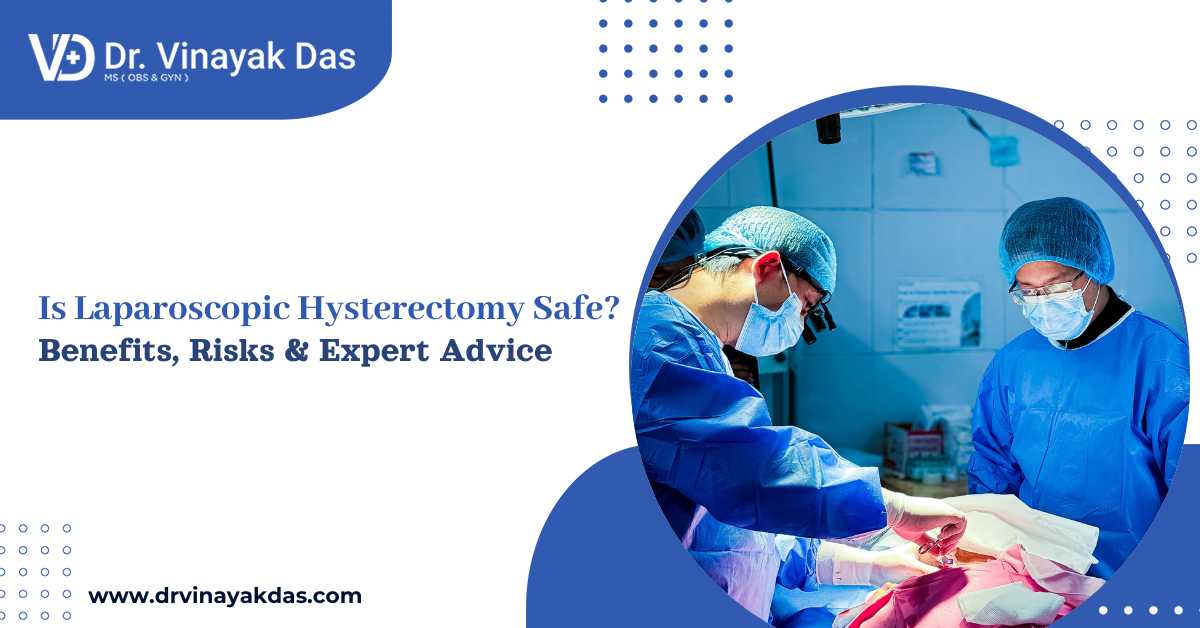
Laparoscopic hysterectomy is just another term for a procedure whereby the uterus is removed from the body, but without cutting a large portion of the abdomen. In this case, some small incisions are made, after which instruments are inserted alongside a camera that acts as a guide.
Since only a few minor cuts are made to the body, there is not as much stress as there would be when undertaking conventional surgery. Recovery is also quite quick, with less pain involved. Minimally invasive surgeries like laparoscopic hysterectomy are widely preferred in modern gynecology due to faster recovery and fewer complications.
The very reason why doctors recommend that patients opt for a laparoscopic hysterectomy in Siliguri is that, in cases where it is applicable, this method offers more comfort to the patient than any other.
Is It Safe for You?

This is usually the first thought that comes up. And honestly, it’s the right question to ask.
In most cases, the surgery goes smoothly, and patients recover without major issues. But it really depends on your own condition. Your general health, the reason for surgery, any previous operations, and the doctor’s experience all play a role.
When these factors are carefully considered, the chances of problems are quite low. That’s why many women who choose this procedure can recover comfortably and get back to their routine gradually.
Instead of worrying in general, it’s better to focus on your own case and whether this approach suits your situation. A proper consultation makes all the difference.
Laparoscopic vs Open Surgery: What’s the Difference?
Laparoscopic Surgery
- Small cuts
- Faster recovery (2–4 weeks)
- Less pain
- Lower infection risk
Open Surgery
- Large cut
- Longer recovery (4–6 weeks)
- More pain
- Higher infection risk
In most suitable cases, laparoscopic surgery is preferred for quicker and more comfortable recovery. The right choice depends on your condition, which is why a consultation with Dr Vinayak Das helps you decide safely.
When Does It Become Necessary?
This surgery isn’t something that’s suggested casually. It usually comes into the picture when a problem has been going on for a while, and nothing else is really helping anymore.
Sometimes it starts affecting your daily routine, with constant discomfort, heavy bleeding, or pain that just doesn’t settle. That’s when doctors begin to think beyond temporary treatments.
A few common situations where this option is considered:
- Bleeding that keeps coming back and doesn’t improve
- Fibroids causing pressure or a heavy feeling in the lower abdomen
- Endometriosis that continues despite treatment
- Uterus slipping down (prolapse)
- Ongoing pelvic pain that interferes with normal life
- Certain abnormal or risky conditions that need a more permanent fix
In these kinds of cases, the focus shifts from short-term relief to solving the issue properly, so it doesn’t keep coming back again and again.
Why Many Women Feel More Comfortable With This Option
When people hear the word “surgery,” they usually imagine long bed rest, pain, and a slow recovery. This method feels different for most women, and that’s what makes it easier to accept.
Smaller Cuts, Less Stress on the Body
Since there are no large incisions, your body doesn’t go through as much strain. That alone makes a noticeable difference in how you feel after the procedure.
Pain That Stays Under Control
There is some discomfort, but it’s usually manageable. It doesn’t feel as intense as what many expect from surgery.
Getting Back to Routine Sooner
You’re not stuck waiting for weeks just to feel normal again. Most women start getting back to their daily routine step by step within a couple of weeks.
Short Hospital Stay
In many cases, staying in the hospital for a day or two is enough. After that, recovery continues at home.
Hardly Noticeable Marks
The cuts are small, so the marks left behind are light and tend to fade with time.
Lower Chances of Infection
Smaller wounds heal more quickly, which reduces the chances of complications during recovery.
Relief That Lasts
For women who’ve been dealing with constant pain or heavy bleeding, the biggest change is how much lighter and more comfortable daily life feels afterward.
“In my experience, most women recover smoothly within 2–3 weeks after a laparoscopic hysterectomy. The key is proper case selection and post-surgery care.” — Dr Vinayak Das
Many patients come in worried about a long recovery. But after surgery, they often say the relief from pain and heavy bleeding makes it worth it. Every case is different, so a proper consultation helps you understand what to expect in your situation.
Because of these reasons, many women consider laparoscopic hysterectomy in Siliguri a more manageable option compared to traditional surgery.
Things You Should Keep in Mind
No surgery comes without some level of risk. The idea here isn’t to make you worried, but to help you know what’s possible so nothing feels unexpected.
Infection
Sometimes there can be a mild infection, either around the cuts or internally. It’s usually picked up early and treated with medicines.
Bleeding
Blood loss is generally minimal in this procedure. In rare cases, if it’s more than expected, the doctor manages it during or after surgery.
Nearby Organs
The uterus sits close to the bladder and intestines, so there’s a small chance they could get affected during the procedure. This doesn’t happen often, but it’s something doctors stay careful about.
Effects of Anesthesia
After the surgery, you might feel a bit nauseous or dizzy for some time. This usually settles on its own.
Blood Clots
This is why you’ll be asked to start moving, even if it’s just slow walking. It helps keep circulation normal.
Change During Surgery
In some situations, if things don’t look clear inside, the doctor may decide to switch to open surgery. This is done for safety, not as a complication.
Most of these situations are not common, especially when the procedure is handled by someone experienced.
Is This the Right Option for You?
Not every patient is the same, and not every case is suitable for laparoscopic surgery.
Doctors usually look at:
- The size of the uterus
- Presence of large fibroids
- Any previous abdominal surgeries
Overall health and fitness
If everything aligns, then laparoscopic hysterectomy in Siliguri becomes a suitable and effective option.
Getting Ready Before the Procedure
Preparation is simple but important.
You may be asked to:
- Get basic blood tests and scans done
- Share your medical history
- Before surgery, fast for a few hours.
- Adjust certain medications
These steps help ensure that the procedure goes smoothly without complications.
What Happens During the Surgery?
The surgery is performed under general anesthesia, so you won’t feel anything.
Here’s a basic idea of what happens:
- Small cuts are made in the abdomen
- A camera is inserted to guide the surgery
- Instruments are used to remove the uterus
- The uterus is taken out safely
- The cuts are closed
The entire process usually takes around 1-3 hours.
Recovery: What You Can Expect

Recovery is often easier than most people imagine.
First Few Days
You may feel tired and slightly uncomfortable. This is normal and manageable.
First Week
You’ll be encouraged to move around lightly. It helps your body heal faster.
2-3 Weeks
Most daily activities can be resumed comfortably.
Full Recovery
You may need to avoid heavy lifting or strain for a few weeks.
Overall, recovery feels gradual and manageable rather than overwhelming.
Signs You Should Not Ignore
Even though recovery is usually smooth, it’s important to stay alert.
Contact your doctor if you notice:
- Fever
- Increasing pain
- Heavy bleeding
- Unusual discharge
- Difficulty in urination
These signs should not be ignored.
What Changes After the Surgery
There are a few permanent changes to understand:
- Periods will stop completely
- Pregnancy will no longer be possible
- Hormonal changes may occur if the ovaries are removed
For many women, the biggest change is relief from long-term discomfort and stress.
Also Read:-
The Importance of an Experienced Surgeon
No matter how advanced a procedure is, the outcome depends heavily on the surgeon’s skill and approach.
Having a doctor who understands your condition, listens to your concerns, and explains every step clearly can make a big difference.
A thoughtful surgeon focuses on careful assessment, personalized planning, and patient comfort. By ensuring the procedure is necessary and suitable, they help patients feel informed, confident, and reassured throughout the process.
Frequently Asked Questions (FAQs)
1) Is a laparoscopic hysterectomy painful?
Pain is usually mild and manageable with medication.
2) How long does recovery take?
Most women recover within 2–4 weeks.
3) Is it safer than open surgery?
In suitable cases, yes, it has fewer complications and faster recovery.
4) Can I walk after surgery?
Yes, light walking is encouraged early.
Final Thoughts
Hysterectomy is no doubt a big decision, and anxiety is perfectly understandable in such cases.
Advancements in laparoscopic surgery have helped make things easier for women undergoing this surgery by speeding up recovery time, reducing post-operative pain, and making the transition to normal activities smoother.
The important thing is to choose what’s best for your health. If you need the surgery, consult Dr Vinayak Das to know your options and plan safely. Book a consultation today to discuss your condition and explore the safest, most comfortable approach for you.
Reviewed By Dr. Vinayak Das
16+ years of experience
Specialist in fibroids, high-risk pregnancy, and hysterectomy
This content is for informational purposes only and should not replace professional medical advice. Always consult a qualified gynecologist for proper diagnosis and treatment.
Comments (0)

