



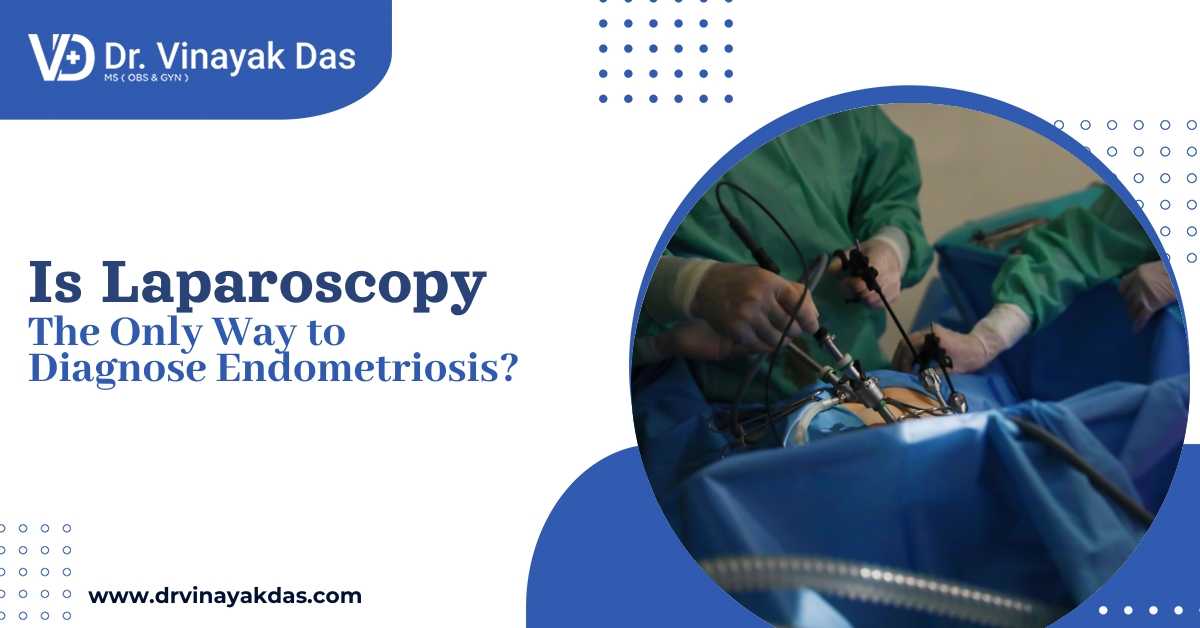
Many women have painful periods, pelvic pain, or trouble getting pregnant. They may worry that laparoscopy is the only way to diagnose endometriosis.
But the clear answer is no; laparoscopy is not always the first or only step in evaluating endometriosis. Doctors may use your symptoms, examination, ultrasound, or MRI to look for signs of endometriosis.
These tests may not show small or superficial lesions. If symptoms continue or more testing is needed, Diagnostic Laparoscopy Siliguri may be considered.
Why Accurate Diagnosis Matters
Endometriosis can affect many aspects of a woman's life, including daily activities, work, relationships, and fertility. Because its symptoms often overlap with other gynecological conditions, obtaining an accurate diagnosis is important before deciding on treatment. A thorough evaluation may include symptom assessment, physical examination, imaging studies such as ultrasound or MRI, and, in selected cases, Diagnostic Laparoscopy Siliguri to better understand the condition and guide treatment decisions.
What Is Endometriosis?
Endometriosis is a medical condition where tissue similar to the lining of the uterus grows outside the uterus, causing painful periods, pelvic pain, pain during sex, and sometimes difficulty getting pregnant. These symptoms vary from person to person.
How Common Is Endometriosis?
Endometriosis is one of the most common gynecological conditions affecting women of reproductive age. Research suggests that approximately 1 in 10 women may be affected by endometriosis during their reproductive years. Because symptoms can vary from mild to severe and may resemble those of other conditions, diagnosis can sometimes take time. Early medical evaluation can help identify the condition and support timely treatment.

Common symptoms include:
- Pelvic or period pain
- Pain during or after sex
- Pain during bowel movements or urination
- Difficulty getting pregnant
- Heavy or irregular periods
How Is Endometriosis Diagnosed Without Surgery?
Doctors may use several methods before considering gyne laparoscopic surgery in Siliguri.
Medical History
- Pain pattern
- Period-related symptoms
- Fertility concerns
- Previous treatments
- Family history of endometriosis
Pelvic Examination
- Pelvic tenderness
- Pelvic masses
- Other physical findings
Ultrasound
- Transvaginal ultrasound
- Ovarian endometriomas
- Some forms of deep endometriosis
- Other pelvic conditions
MRI
- Detailed pelvic imaging
- Mapping deep endometriosis
- Assessing affected organs
- Planning further treatment
Symptom Assessment
- Pain during sex
- Pain during bowel movements
- Pain while urinating during periods
- Chronic pelvic pain
According to Dr. Vinayak Das, many women assume that surgery is always required to diagnose endometriosis. However, modern evaluation often begins with a detailed medical history, pelvic examination, ultrasound, and, when needed, MRI. These assessments can provide important information about the condition and help guide treatment decisions. Diagnostic laparoscopy may be recommended when symptoms persist, imaging results are inconclusive, or a more detailed evaluation is required.
How Is Endometriosis Diagnosed With Surgery?
Laparoscopy
- A small camera is inserted through a tiny abdominal incision.
- Direct examination of the pelvic organs
- Identification of visible endometriosis lesions
- Checking for ovarian endometriomas
- Checking for pelvic adhesions
- Assessing the location and extent of endometriosis
Biopsy
- Tissue sample from suspicious areas
- Laboratory examination of the tissue
- Helps support confirmation of endometriosis
Treatment During Surgery
- Removal of visible endometriosis tissue
- Treatment of ovarian endometriomas when appropriate
- Treatment of pelvic adhesions when needed
- Further surgical management based on the findings
Can MRI and Ultrasound Always Detect Endometriosis?
The answer is NO; MRI and ultrasound do not always detect endometriosis. These scans can help find ovarian endometriomas and some types of deep endometriosis.
When ultrasound or MRI looks normal, endometriosis can sometimes still be present. If you feel continuous pain or other symptoms, do not ignore all these signs; seek immediate advice from the gynaecologist.
Consulting with a specialist experienced in gyne laparoscopic surgery in Siliguri can help them understand your condition, review your scans, and discuss further evaluation or a laparoscopy.
Why and When Might Laparoscopy Be Recommended?
Laparoscopy may be recommended when symptoms suggest endometriosis but other tests are not clear. It can help confirm and treat the condition.
Why Is Laparoscopy Recommended?
- To confirm suspected endometriosis
- To identify endometriosis that imaging may not detect
- To examine the pelvic organs directly
- To assess the location and extent of endometriosis
- To take a tissue sample for confirmation
- To treat or remove endometriosis during the same procedure
- To remove ovarian endometriomas when appropriate
- To check for pelvic adhesions or scar tissue
- To assess suspected deep endometriosis
- To investigate persistent pelvic pain
When Is Laparoscopy Recommended?
- When symptoms strongly suggest endometriosis but imaging is inconclusive
- When pelvic pain continues despite treatment
- When medical treatment is unsuitable or has not helped
- When an ovarian endometrioma or deep endometriosis is suspected
- When surgery may help diagnose or treat endometriosis
- When fertility problems need further evaluation
- When symptoms affect daily life despite treatment
- When ultrasound or MRI needs further evaluation
- When suspected endometriosis needs direct assessment
- When other treatment options have not provided enough relief
Is Surgery Always Needed for Endometriosis?
No, surgery is not always needed for endometriosis. A gynecologist in Siliguri can suggest a treatment plan based on your condition, symptoms, fertility plans, and needs.
Some people manage these symptoms with medication and regular monitoring, while others do not see positive results. Surgery can be helpful for some people, but it is not recommended for everyone with endometriosis.
What Are the Risks of Laparoscopy?
Like other medical procedures, laparoscopy also has some possible risks, but generally it is considered one of the safer procedures. These are the risks you should be aware of:
Bleeding: Some bleeding is normal after the procedure, but heavy bleeding is rare and may need treatment.
Infection: There is a small risk of infection at the incision sites or inside the abdomen. Doctors usually provide instructions to help reduce this risk.
Injury to nearby organs: The bowel, bladder, blood vessels, or other nearby organs can rarely be injured during surgery, particularly when endometriosis has affected or scarred these areas.
Anesthesia-related problems: Laparoscopy is usually performed under general anesthesia, which can cause side effects or, rarely, more serious complications.
Pain and bloating: Mild abdominal pain, bloating, or shoulder discomfort is common for a short time after laparoscopy and usually improves as you recover.
Blood clots: As with other surgeries, there is a small risk of developing blood clots. Medical teams take precautions to reduce this risk.
Adhesions: Surgery can sometimes cause scar tissue called adhesions to form inside the pelvis. Some people may experience pain or discomfort because of these.
What Happens During and After Laparoscopy?
Laparoscopy has three main stages: preparation, surgery, and recovery. Your gynaecologist will guide you through each step.
Before Laparoscopy
- Review of medical history and symptoms
- Review of ultrasound or MRI results
- Discussion of current medicines and allergies
- Pre-surgery health checks
- Instructions about eating and drinking
- Discussion of possible risks and benefits
- General anesthesia before the procedure
- Explanation of the expected recovery period
During Laparoscopy
- Small incision made near the abdomen
- Thin camera inserted through the incision
- Pelvic organs examined for endometriosis
- Visible endometriosis lesions identified
- Ovarian endometriomas and adhesions checked
- Suspicious tissue may be taken for biopsy
- Endometriosis may be removed or treated when appropriate
- Incisions closed after the procedure
After Laparoscopy
- Recovery from general anesthesia
- Monitoring before going home or moving to a hospital room
- Mild abdominal pain, bloating, or shoulder discomfort
- Pain-relief medicines as advised
- Instructions for incision and wound care
- Gradual return to normal activities
- Follow-up to discuss biopsy results
- Further treatment planned if needed
Also Read:-
What to Expect During Your Same-Day Diagnostic Laparoscopy
A Detailed Overview Of The Critical Endometriosis Stages
Why So Many Women Delay Visiting a Gynecologist
When Should You See a Gynaecologist?
Severe period pain:
See a gynaecologist if period pain is severe enough to affect your daily activities, work, studies, or sleep.
Persistent pelvic pain:
See a doctor if pelvic pain continues between periods or keeps coming back.
Pain during sex:
If you regularly feel pain or discomfort during sex, consult a gynaecologist.
Painful urination during periods:
Tell your doctor if urination causes pain or discomfort around menstruation.
Heavy or unusual periods:
Consider an evaluation if your periods are unusually heavy, prolonged, or irregular.
Difficulty getting pregnant:
Talk to a gynaecologist if you have fertility concerns or have been trying to conceive without success.
Symptoms despite treatment:
Seek further evaluation if pain or other symptoms continue despite medicines or hormonal treatment.
Repeated unexplained symptoms:
A gynaecologist can help investigate recurring pelvic symptoms when the cause is still unclear.
Symptoms affecting daily life:
Even if the pain is not severe, seek medical advice when symptoms regularly interfere with your normal routine.
Frequently Asked Questions (FAQs)
1) Can endometriosis be diagnosed without laparoscopy?
Yes, endometriosis can sometimes be suspected without surgery. Doctors may use your symptoms, medical history, pelvic examination, ultrasound, or MRI to look for signs of the condition. However, some forms of endometriosis may not appear clearly on scans. In certain situations, Diagnostic Laparoscopy Siliguri may be recommended for further evaluation.
2) Is diagnostic laparoscopy painful?
Diagnostic laparoscopy is usually performed under general anesthesia, so you are asleep during the procedure. After surgery, some people may experience mild abdominal discomfort, bloating, or shoulder pain for a short time. These symptoms generally improve as the body recovers, and your doctor may recommend medicines to help manage any discomfort.
3) When might a doctor recommend laparoscopy for endometriosis?
A doctor may recommend laparoscopy when symptoms strongly suggest endometriosis but ultrasound or MRI results are not clear. It may also be considered when pelvic pain continues despite treatment, fertility concerns need further investigation, or a closer examination of the pelvic organs is needed to understand the cause of symptoms.
At The End
Laparoscopy is not the only way to diagnose endometriosis. Ultrasound, MRI, physical examination, and symptoms can also help doctors understand your condition, but some areas may not be visible on scans.
If symptoms continue, Diagnostic Laparoscopy Siliguri may be considered for further evaluation and treatment when needed.
Consulting Dr. Vinayak Das can help you understand the possible cause and discuss suitable diagnostic options.