

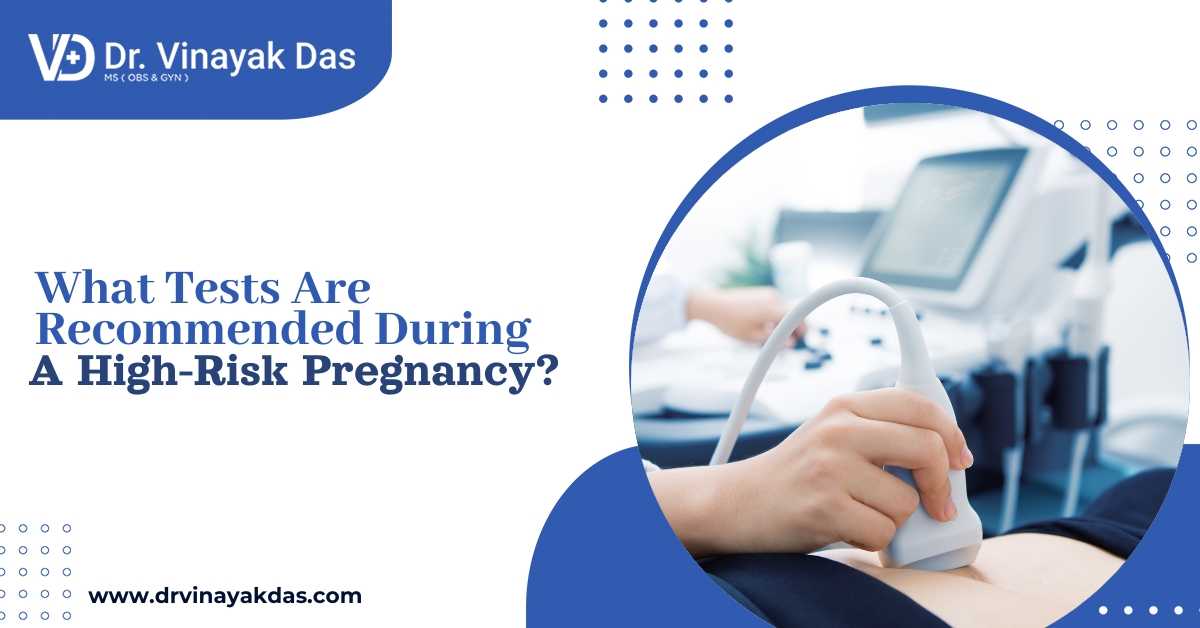


If you are planning a pregnancy, facing difficulty conceiving, or dealing with irregular periods, consult a gynaecologist who can help identify possible causes and suggest medical care. Women also need medical advice for PCOS, pelvic pain, menopause, or routine reproductive health check-ups. Every woman's health concerns are different, so the choice of a gynaecologist in Siliguri should depend on the type of care she needs. From pregnancy check-ups to menstrual health, the doctor's approach to your concerns can make a difference in your consultation experience.
How to Choose a Gynaecologist Based on Your Healthcare Needs
The type of care you need can help you decide which gynaecologist to consult. Pregnancy, fertility problems, PCOS and other women's health concerns may require different types of care.
Choosing a Gynaecologist for Pregnancy and Antenatal Care
If you are pregnant or planning a pregnancy, check whether the doctor provides regular antenatal care. This may include:
- Regular pregnancy check-ups.
- Tests and ultrasound scans.
- Advice on diet, medicines and daily activities.
- Monitoring your health and the baby's development.
- Care for pregnancy-related complications.
- Delivery arrangements and hospital support.
- Referrals to other specialists when needed.
If you have a high-risk pregnancy:
Some pregnancies need closer monitoring because of existing health conditions or previous complications. High-risk pregnancy care may be provided according to medical needs.
- High blood pressure and diabetes during pregnancy.
- Multiple pregnancies, such as twins.
- Pregnancy after previous complications.
- Referrals to a maternal-fetal medicine specialist when required.
Choosing a Gynaecologist for Fertility and Infertility Concerns
If you have been trying to conceive without success, check whether the gynaecologist provides fertility evaluation and treatment. You may need:
- Assessment of menstrual cycles and ovulation.
- Tests to check possible fertility problems.
- Hormone tests and ultrasound scans.
- Fertility evaluation for both partners.
- Advice on ovulation induction, IUI and IVF.
- Information about treatment costs and possible risks.
Keep these points in mind:
- Fertility problems can affect either partner.
- Not every fertility concern requires IVF.
- Your age, health history and test results help guide treatment decisions
- Treatment outcomes vary from person to person.
Choosing a Gynaecologist for PCOS and Menstrual Problems
If you have irregular periods, heavy bleeding or symptoms of PCOS, check whether the doctor can assess these concerns and suggest suitable care.
- Assessment of irregular periods and abnormal bleeding.
- Evaluation of symptoms associated with PCOS.
- Hormonal and metabolic tests when needed.
- Advice on lifestyle changes and medicines.
- Follow-up visits to check your progress.
- Assessment of other conditions that may cause similar symptoms.
PCOS cannot be diagnosed from one symptom alone. The doctor will review your symptoms and medical history and may recommend tests before confirming the diagnosis.
Choosing a Gynaecologist for General and Preventive Women's Health
A gynaecologist can also help with routine check-ups and other reproductive health concerns. Check whether the doctor provides care for:
- Pelvic pain: Ongoing lower abdominal pain or painful periods.
- Uterine fibroids: Heavy periods or pelvic pressure.
- Endometriosis: Painful periods and recurring pelvic pain.
- Ovarian cysts: Examination and monitoring of ovarian cysts.
- Vaginal infections: Itching, irritation or unusual discharge.
- Cervical health: Cervical screening and advice on keeping your cervix healthy.
- Menopause: Hot flashes, sleep problems and vaginal dryness.
- Perimenopause: Changes in periods before menopause.
- Family planning: Advice on contraception and birth control.
- Sexual health: Pain during intercourse and related concerns.
- Postpartum care: Recovery and health concerns after childbirth.
10 Important Factors to Consider When Choosing a Gynaecologist
1. Communication and Patient Comfort
You should feel comfortable talking to your doctor about your health.
- Does the doctor listen to you?
- Are your questions answered clearly?
- Can you discuss personal concerns without hesitation?
2. Clinic and Hospital Facilities
Find out what services you can get at the clinic or hospital.
- Ultrasound scans and blood tests.
- Examination facilities.
- Pregnancy and delivery services.
3. Appointment Timings
Make sure the doctor's timings work with your schedule.
- Ask about clinic hours.
- Find out the usual waiting time.
- Check how to book an appointment.
4. Follow-up Care
Ask what happens after your first visit.
- How do you book another appointment?
- Can you discuss your test reports?
- Whom should you contact if you have questions?
5. Patient Feedback
Read what other patients say about the clinic.
- Look for comments about the doctor's behaviour.
- Check feedback about waiting time and staff.
- Read reviews from more than one source.
6. Clinic Location
Think about how easy it will be to reach the clinic.
- Choose a clinic that's easy to reach from your home or workplace.
- Check available transport.
- Keep regular visits in mind.
7. Understanding Your Treatment Options
You should know why a particular treatment is being suggested.
- Ask why a test is needed.
- Discuss other treatment options.
- Share your concerns before making a decision.
8. Fees and Other Costs
Ask about the charges before starting treatment.
- Consultation fees.
- Follow-up charges.
- Scan, test, and procedure costs.
9. Privacy During Consultation
You may need to discuss personal health matters during your visit.
- Ask whether consultations take place in private.
- The doctor should explain any examination.
- Your consent should be taken before proceeding.
10. Emergency and Delivery Support
Ask where you can get help if an urgent concern comes up.
- Find out whom to contact after clinic hours.
- Ask about emergency care arrangements.
- If you are pregnant, discuss hospital and delivery arrangements.
When Should You Consult a Gynaecologist?
You do not need to wait until a health problem becomes difficult to manage before visiting a gynaecologist. Book an appointment if you notice:
- Periods that are irregular, unusually heavy, or painful.
- Pain in the lower abdomen or pelvic area.
- Unusual vaginal discharge, itching, or irritation.
- Difficulty getting pregnant.
- Pregnancy-related concerns or a need for regular antenatal check-ups.
- Symptoms linked to menopause.
- Unexplained vaginal bleeding or other changes in reproductive health.
Get urgent medical attention if you have:
- Severe abdominal or pelvic pain.
- Heavy bleeding along with dizziness or fainting.
- Bleeding during pregnancy with pain or feeling unwell.
These symptoms should not be left until your next routine appointment.
Conclusion
Choose a gynaecologist in Siliguri who understands your concerns and makes it easy for you to talk openly about your health. This matters whether you need pregnancy care, fertility support or help with menstrual problems. Before booking an appointment, ask about the doctor's facilities, fees, and follow-up arrangements. These details can help you decide whether the clinic suits your needs. It is also helpful to write down your symptoms and any questions before the visit. This way, you are less likely to forget something you wanted to discuss during the consultation.
FAQs
Who are some high-risk pregnancy specialists in Siliguri?
Doctors in Siliguri who provide pregnancy care include Dr. Vinayak Das, Dr. Priyankur Roy and Dr. Prasenjit Kr Roy. Ask about their experience with high-risk pregnancies before booking.
What tests may a gynaecologist recommend?
Depending on your symptoms, the doctor may suggest blood tests, hormone tests, ultrasound scans, pelvic examinations or cervical screening.
What happened during my first gynaecologist appointment?
The doctor will ask about your periods, symptoms, health history and any previous pregnancies. They may recommend an examination or tests depending on your health concerns.
Can PCOS affect my chances of getting pregnant?
Yes. PCOS can affect ovulation and make it harder for some women to conceive. Your symptoms and pregnancy plans will help the doctor decide on suitable treatment.